
 By Tyler
·
6 min read ·
Manufacturing, Quality, GMP and Testing
By Tyler
·
6 min read ·
Manufacturing, Quality, GMP and Testing
An audit checks systems, not products.
That is the core of this article, and it is the part most first-time buyers get wrong.
A factory can pass every audit and still ship you a batch that gives you headaches. And a small factory with unimpressive paperwork can quietly make very good product.
So the right use of an audit is to rule out obvious risk, not to guarantee quality.
Once you see that, you know where to spend the money.
A standard audit covers ten areas
Whether it is a third-party audit (SGS, Intertek, QIMA and the like) or the buyer visiting in person, the checklist is broadly the same:
| # | Area | What is checked |
|---|---|---|
| 1 | Legal entity | Business licence, registered scope, registered address vs actual site |
| 2 | Facility and equipment | Floor area, number of lines, key equipment (emulsifying tanks, fillers, filling lines) |
| 3 | People and capacity | Headcount, shifts, daily output, whether R&D is in house |
| 4 | Quality system | GMP, ISO 22716, system documents, internal audit records |
| 5 | Raw materials | Incoming inspection, supplier list, storage conditions |
| 6 | Production control | Batching records, process parameters, batch numbering |
| 7 | Testing | Laboratory, stability testing, microbiological testing (in house or sent out) |
| 8 | Warehouse and traceability | Finished goods, raw material stores, whether a batch traces back to materials |
| 9 | Hygiene and personnel | Gowning, sanitising, controlled areas |
| 10 | Compliance and documents | Label compliance, COA, batch records, export paperwork |
If you are handed an audit report, turn to item 8 first.
Traceability is the hardest thing to fake. A factory can buy equipment and print a shelf of documents. But “which raw material lot went into this batch, and where is the inspection record for that lot” is expensive to fabricate completely.
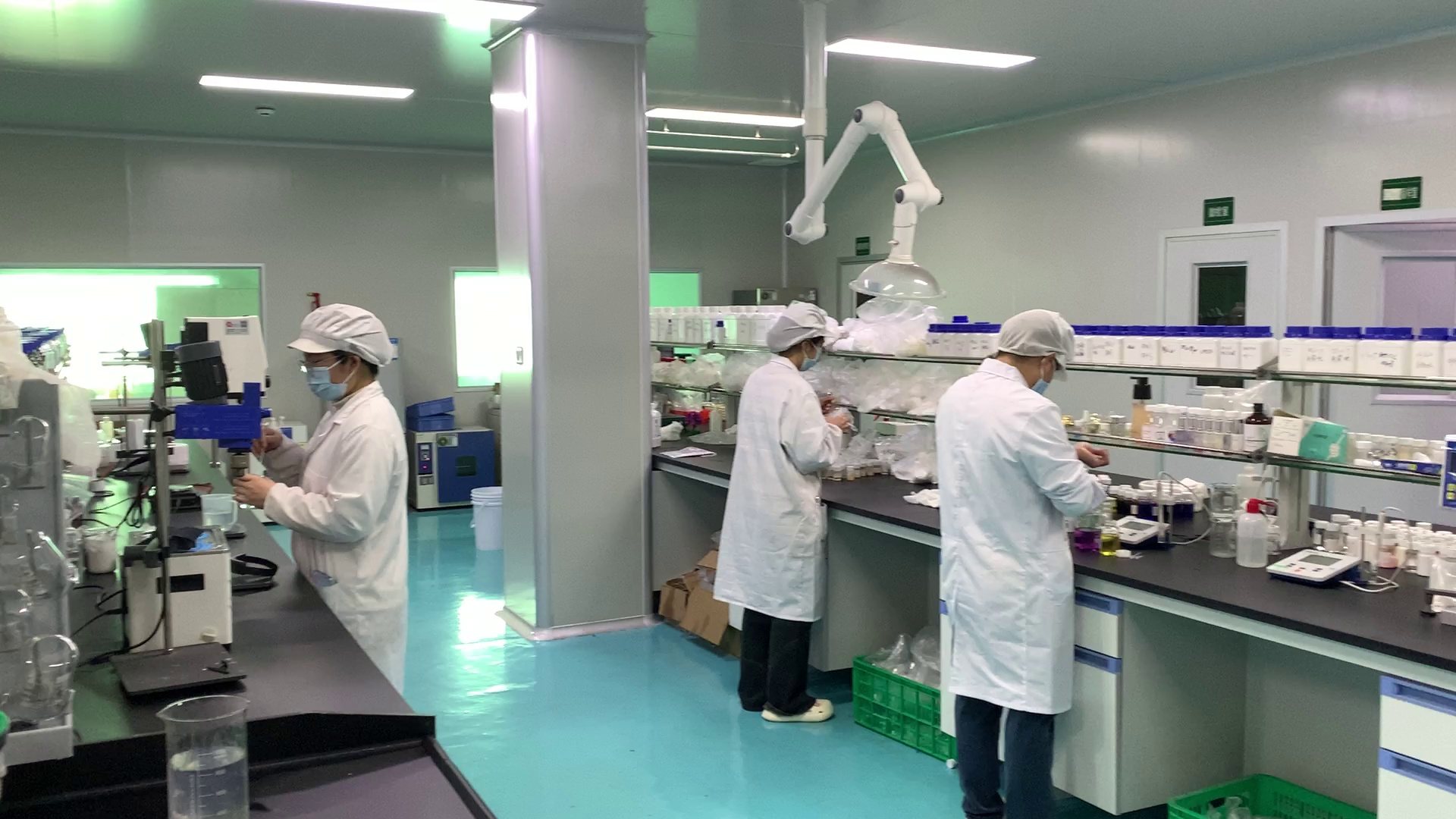
Four things an audit cannot see
This section matters more than the last one.
1. It cannot see inside the formula
The audit checks that a formula sheet exists and that process parameters are written down. It does not verify that the active was dosed at the level claimed.
It is paper against paper. The sheet says 3%. The batch got 1%. The audit will not catch it.
2. It cannot see the people
There is no line on an audit report for “is this company honest”.
How they communicate, whether they take responsibility, and whether they solve a problem or deflect it – you only learn that from working with them.
3. It cannot see your place in the queue
A factory that runs 100,000 units a day does not owe your 5,000 units a slot.
In peak season, whose order runs first is a commercial relationship, not an audit finding.
4. It cannot see whether it will still be true later
Passing today does not mean passing in three years.
Equipment ages. People leave. Management changes. An audit report is a snapshot, not a standing promise.
Which means: an audit can rule out a factory that is clearly not credible. It cannot confirm that this one will stay good.
In practice: most buyers do not fly over. They audit by video
After years in export, I can tell you that very few clients actually fly to the factory. I understand why – one trip costs a fortune.
Most verify by video instead. Phones are good enough now, and a video call is genuinely easy.
What I usually do is call them, walk through the factory with the phone, and narrate as I go. Especially the product they care about: how it is made, where it goes in, where it comes out.
Once those things are explained properly, the doubt usually goes away. Trust gets built very quickly that way.
If you do audit, spend the money on these three things
A third-party audit is not cheap. If your budget is limited, put the weight here.
Move 1: ask for one random batch and make them trace it
Not “show me your traceability procedure”. This:
Take a bottle at random from the finished goods warehouse, read out the batch number, and have them walk it back: this bottle → the batch record → the raw material lot → the inspection report for that lot.
If the chain holds, the system is actually running. If it does not, everything you looked at before was decoration.
Move 2: pick an order that is running right now
Stand on the line, point at the batch being filled, and ask:
- Whose product is this?
- What is the formula number?
- How many units, and when does it ship?
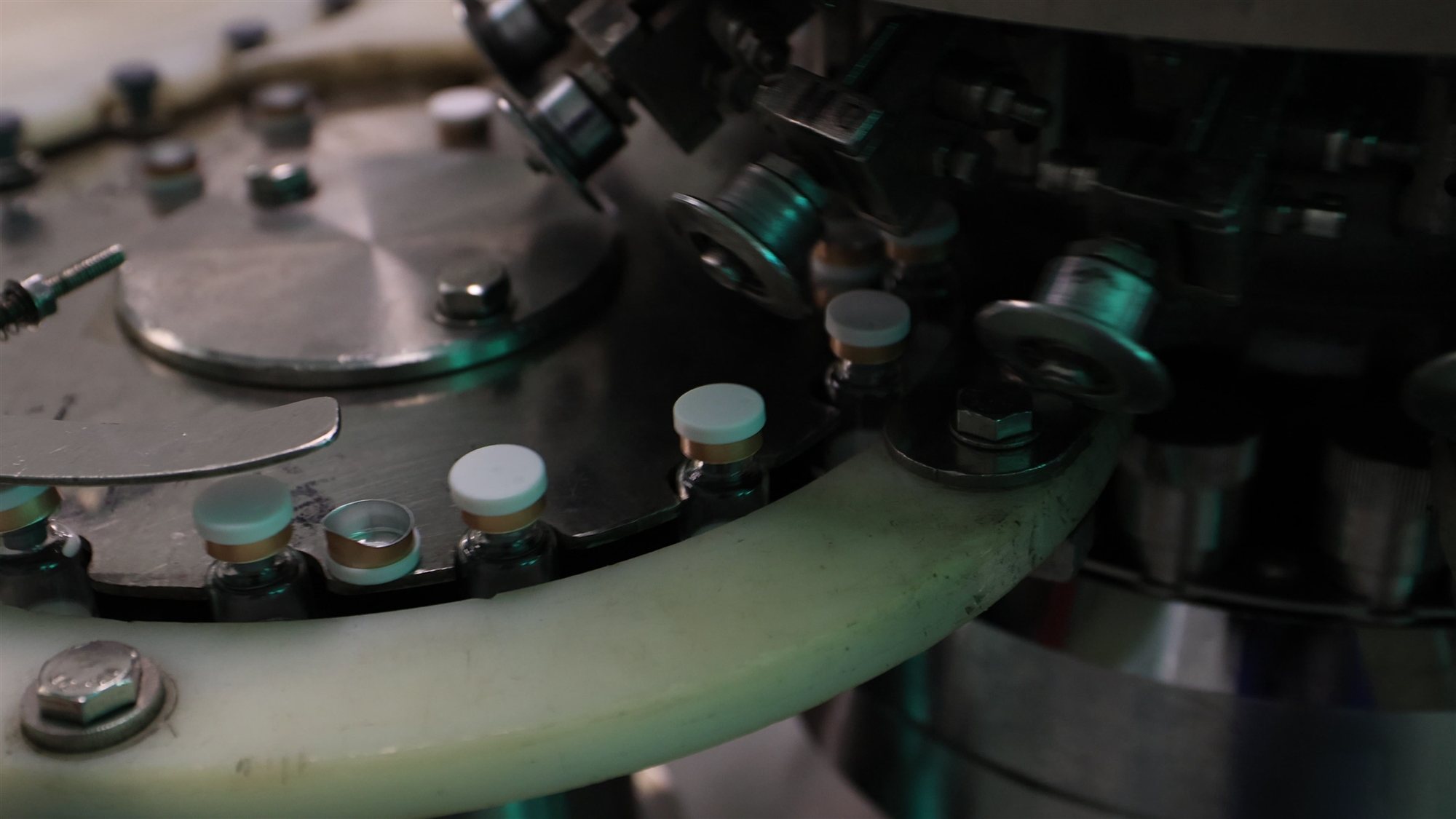
A factory that is really producing has a line supervisor who can answer. If nobody can, either they are not the one running it, or the scene was staged for you.
Move 3: ask to see the pending-inspection area and the rework area
A real factory always has both.
- Pending inspection: product that has not been released yet
- Rework: units that failed something and need handling
If neither exists during your audit, that is worth a question: where does your rework normally sit?
No budget? Do these three things first
Not every brand should spend five figures on an audit for a first order. Screen with cheap methods first:
1. A live video walk-through – not a promo film. Have them walk and film into the emulsifying room, the filling line and the lab.
2. Ask for three documents – business licence, system certificates, and the most recent COA.
3. Place a small first order – use a real order to test delivery: is communication smooth, are the documents complete, does the product match the approved sample.
Together those three filter out most of the obvious risk, for close to nothing.
The two cases where a paid audit is worth it:
- Your order is large – say 50,000 units or more
- You are going into a major retail channel, where a third-party audit report may be required
About us, and what you can ask us for
We have been making herbal skincare since 2013: 12 production lines, 180 employees, 600+ formulas, MOQ 500 units per SKU.
If you are screening factories, just ask us for anything you care about.
What I have, I will hand over as it is. What I do not have, I will tell you honestly – because we are not all-knowing.
If you want to work out who you are actually talking to, read how to tell a real factory from a trading company.
One last thing
An audit is a process of elimination, not a guarantee.
It can confirm that a factory is real, that it has a basic system, and that a batch can be traced.
It cannot confirm that the factory will stay good, or that your batch will be perfect.
Those two things can only be checked by placing the next order. Which is why the first order does not need to be large.
 WhatsApp
 WeChat
Related reading
Tell us what you want to make.
Get a quote, request samples or book a short call — all in one form. Tell us your product idea, target market and estimated quantity.
Confidential by default · NDA available on request · Reply within one business day