
 By Tyler
·
8 min read ·
Factory Due Diligence, Sourcing and Supply Chain
By Tyler
·
8 min read ·
Factory Due Diligence, Sourcing and Supply Chain
Ask for three things: a live video walk through the workshop, documents whose company names line up, and production numbers that add up.
If two of the three check out, you are probably in good shape. If none of them do, don’t send a deposit.
The reason is simple. You are paying for manufacturing capability. If the company you are talking to is a trading company, you still get your product. But you also pay an extra layer, and you carry a lead time that nobody on the other side actually controls.
Why this matters more than you think
The biggest risk for a US brand sourcing from China is not losing a deposit. It is thinking you are talking to a factory when you are really talking to a middleman.
What that costs you:
- When something goes wrong with quality, the trader has to go back and ask the factory. You wait an extra round.
- When a shipment runs late, he is not running the line. He can only pass on what he was told.
- When you want to change a formula, change packaging or hit a launch date, he will say yes. He cannot deliver on it.
- On price, an extra layer always costs extra money.
To be clear, I am not saying trading companies are all dishonest. Later on I will tell you when using a middleman is the better choice.
Five things you can check today
1. Ask for a live video, not a promo film
How: set up a video call and ask him to walk and film at the same time. Then ask him to stop at the machine he just mentioned.
Why it works: anyone can forward a recorded video. Nobody can fake a live one.
What passing looks like: he picks up during working hours and walks you into the emulsifying room, the filling line and the lab.
Red flag: “the factory is in another city”, “today is not convenient”, “we will film it and send it to you”.
This one stuck with me. It was during the pandemic years, when hand sanitizer was selling fast and almost all of it shipped out of China.
A customer told me before ordering: I want my bottles, but first I need to confirm you are a factory. I asked how he wanted to confirm it. He said: I am calling you on video right now. Can you walk into your workshop and show me you are actually producing the alcohol sanitizer?
I walked through the workshop with my phone in hand that day. The order was placed on the spot.
What I took from it: a single video call that confirms you are a factory does not build trust a little at a time. It changes the conversation immediately.

2. Check that the names on the paperwork line up
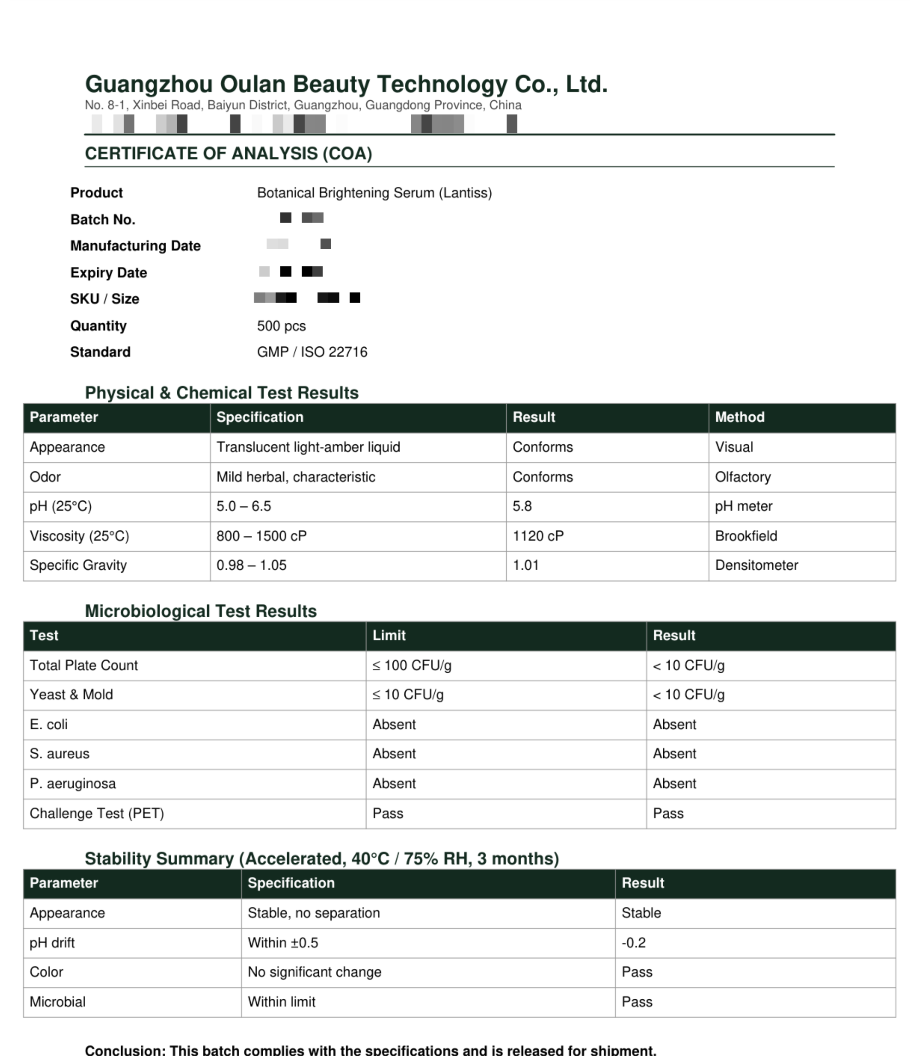
How: ask for three documents. The quotation, the COA (certificate of analysis) and the export invoice. Then look at the company name on each one, and check whether it is the company you are actually talking to.
Why it works: this is the hardest thing for a trading company to fake. He can forward a factory’s COA, but the name on that COA is not his.
What passing looks like: if the names differ, he can explain why, and the explanation stays the same when you ask again.
Red flag: he is vague, cannot answer, or says it does not matter.
One caution: a name mismatch on its own proves nothing.
Chinese factories and export companies are often two separate entities. One manufactures, one exports and issues invoices. It is a normal business structure, and it is why the name on the customs paperwork can differ from the name on the brochure. We work the same way, and I say so up front, because you will see those documents sooner or later.
There is a pattern, though: the two names are usually very similar. If one is a biotechnology company and the other is a trading company, and he cannot explain how they relate, that is when you should slow down.
3. Do the arithmetic on capacity
How: ask three numbers. How many production lines, how many employees, how many units per day. Then check whether they make sense together.
Why it works: a real factory’s numbers come from doing the work, so they line up. Invented numbers fall apart the moment you ask a follow-up question.
For example, what we publish is: 12 production lines, 180 employees, a 20,000 m² facility, and a peak output of 100,000 units a day. Run those four numbers against each other and you can see whether they hold.
Red flag: impressive numbers that contradict each other, and a story that changes when you push on the details.
4. See whether he will show you the parts that are not perfect
A real factory always has a pending-inspection area, work in progress, rework, and packaging materials stacked up. A workshop cannot look like a showroom.
How: during the video call, ask to see the pending-inspection area and the warehouse.
What passing looks like: he takes you there and explains why that batch is sitting there.
Red flag: he walks you down the two prettiest lines and keeps saying that the other side is not convenient.
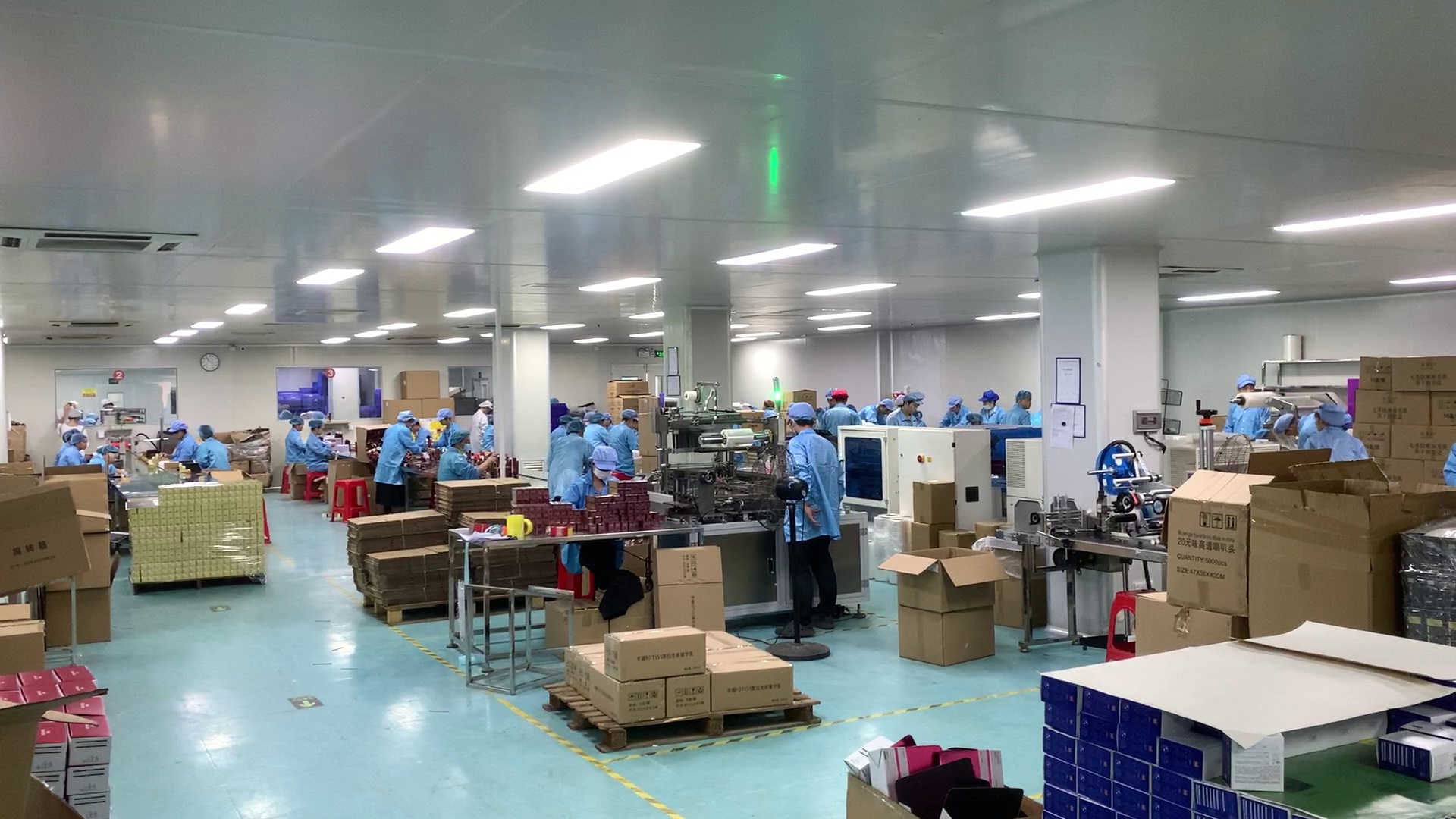
Chinese factories are fast, and they are not flawless. Corners of the warehouse do not get cleaned every day, because production generates a lot of packaging waste and general clutter. It usually gets cleared once a week, and none of it affects product quality.
Which leads to the reverse point. If every corner of the yard looks spotless on your video call, it was probably cleaned for the camera. A workshop that is actually producing does not look like that.
5. Ask “why”, not just “can you”
A trading company can answer “can you”. A factory can answer “why”.
Try these three:
- If we wanted this formula to absorb faster, which ingredient would you change, and why?
- How do you run stability testing? At what temperature, for how long, and what are you looking for?
- If the pump heads leak on this batch, what do you do?
What passing looks like: he talks about specific methods and trade-offs.
Red flag: it is all sales language, and every process question gets deflected.
Side by side
| What you look at | Real factory | Trading company |
|---|---|---|
| Live workshop video | Answers during working hours | Needs to arrange it, or says the factory is elsewhere |
| Paperwork entity | Names match, or the difference is explainable | Forwards someone else’s documents |
| Process questions | Answers “why” | Answers “yes we can” |
| Inspection area / warehouse | Will take you there | Only walks you down the showpiece line |
| Capacity numbers | Add up | Impressive, but contradictory |
| Formula or packaging changes | Tells you the cost directly | Says yes first, then asks the factory |
| Late shipment | Can say which step is stuck | Repeats what the factory told him |
Trading companies are not automatically bad
In some situations a middleman is the better deal:
- You need a full package: packaging, filling and freight, across a messy mix of products
- You do not have the people or the time to deal with Chinese factories directly, and you want someone who absorbs the risk
- Your first run is too small for a factory to take on
What you want to avoid is paying factory prices for trading company service.
So get three things straight before you start:
- Are you the factory, or are you a middleman?
- Which steps do you handle yourself, and which ones do you outsource?
- When something goes wrong, who owns it, and how?
Anyone who answers those three questions honestly is fine to work with, whether they are a factory or a trader.
Seven questions to ask before you pay a deposit
- Can I get a live video walk through the workshop during your working hours?
- Which company name appears on the quotation, the COA and the export invoice?
- How many production lines, how many employees, how many units per day?
- How do you run stability testing on this product in your own facility?
- If packaging fails, like a pump or a seal or the print, how is it handled and who pays?
- If a shipment runs late, how do you tell me, and by what rule?
- When was the last time a customer audited your factory in person?
How we get checked
We have been making herbal skincare since 2013. Our own building, our own lab. 12 production lines, 180 employees, 20,000 m². Minimum order 500 units per SKU, about 15 days for private label, about 25 days for custom formulation.
Those seven questions are all fair game. Ask us any of them.
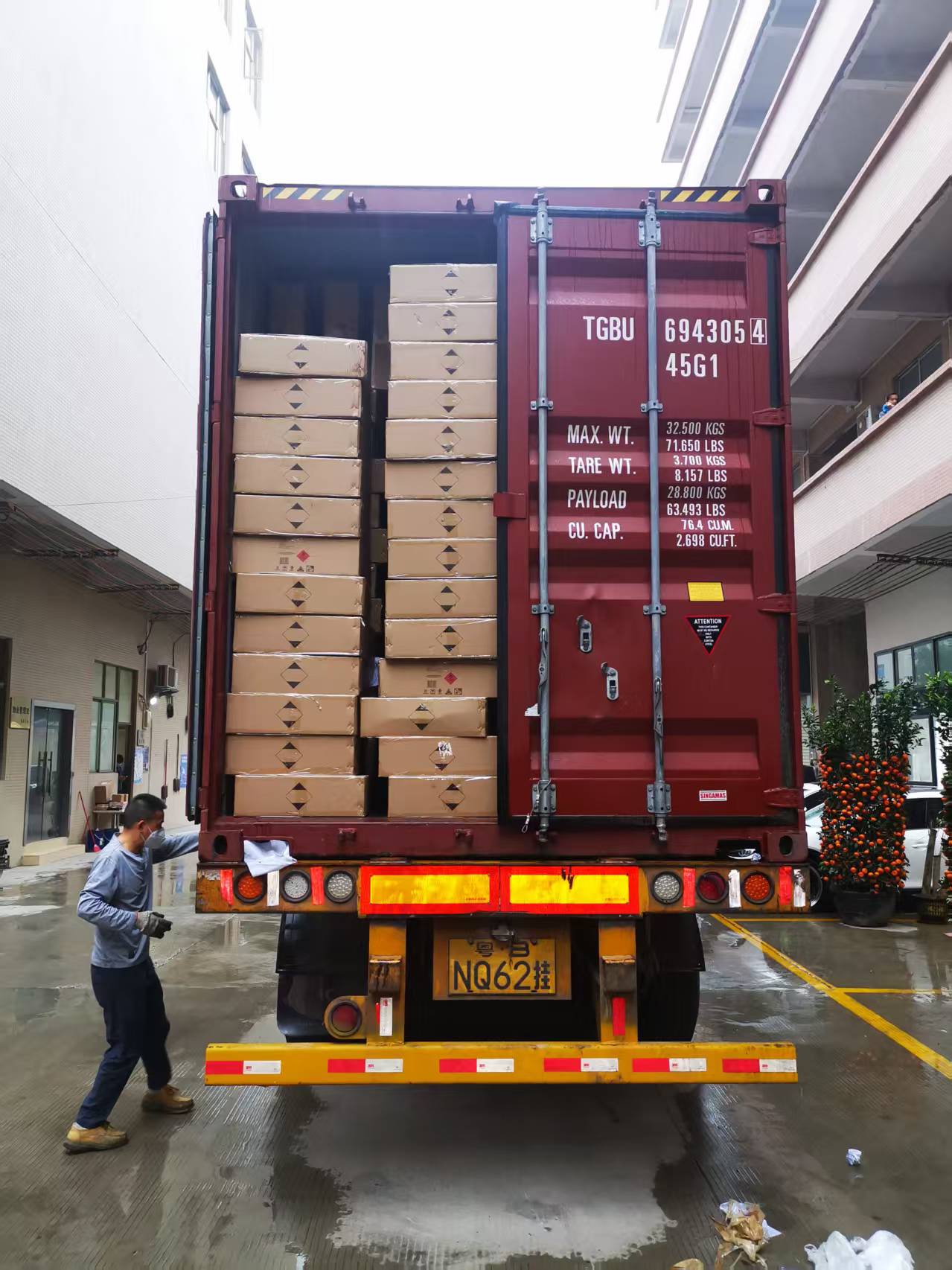
If you are comparing suppliers
The fastest way is not to interview them one by one. It is to do one video walk-through first.
I will take you through our emulsifying room, the filling line and the lab, including the parts that are not pretty.
 WhatsApp
 WeChat
Related reading
Tell us what you want to make.
Get a quote, request samples or book a short call — all in one form. Tell us your product idea, target market and estimated quantity.
Confidential by default · NDA available on request · Reply within one business day