 By Tyler
·
10 min read ·
Factory Due Diligence, Sourcing and Supply Chain
When switching skincare manufacturers, start by checking what formula information you are allowed to share, whether the production documents are complete, and how the new factory will demonstrate that it can meet your approved product standard. Confirm raw materials, samples, packaging and acceptance criteria before moving the order. Then plan the handover around your remaining stock. A formula file is useful, but a successful transfer also depends on the exact materials, the manufacturing process and a clear way to judge the result.
The buyer’s practical question is simple: can another factory make a product your customers will still recognize, without leaving you out of stock? Get that answer before committing to a lower quotation.
5 Things to Confirm Before Moving Your Formula
Before requesting prices, find out who holds each part of the information below. Missing documents affect how the new factory can assess the project.
| What to confirm | Why it matters |
|---|---|
| Permission to use and transfer formula information | Establishes which documents can be shared and how the receiving factory may use them |
| Approved formula version and raw material specifications | Prevents an old sample version or a different material grade from becoming the production reference |
| Available process and quality documents | Helps the receiving factory assess equipment, production and testing requirements |
| Accepted finished samples and actual packaging | Gives both sides a common reference for appearance, fragrance, skin feel and packaging checks |
| Remaining inventory and the handover schedule | Helps avoid a stockout while the new factory is still evaluating the product |
List the information you can obtain and are permitted to use. The receiving factory can then identify the gaps.
If you only have an ingredient list and a bottle of finished product, say so. The discussion may become a development project based on an agreed product target rather than a direct transfer of the existing formula. Set that expectation before sampling starts.
Check the Agreement Before Sharing Technical Files
Review the development agreement, quotation attachments and written confirmations. Look for who supplied the original formula, who made later changes, which technical documents were included in the deliverables, and what was agreed about changing manufacturers.
Paying a development or sampling fee does not, by itself, answer those questions. A confidentiality agreement also needs to be considered alongside the permitted use of the information. If the terms are unclear, have your legal adviser review them before arranging the handover.
The World Intellectual Property Organization identifies formulas and manufacturing processes as information that can involve trade secrets. For a buyer, the immediate task is to establish what may be shared, with whom, and for what purpose. See WIPO’s trade secrets explanation.
Resolving that early reduces the chance of paying for samples before discovering that essential information cannot be used.
Match the Raw Material Specification, Not Only the Name
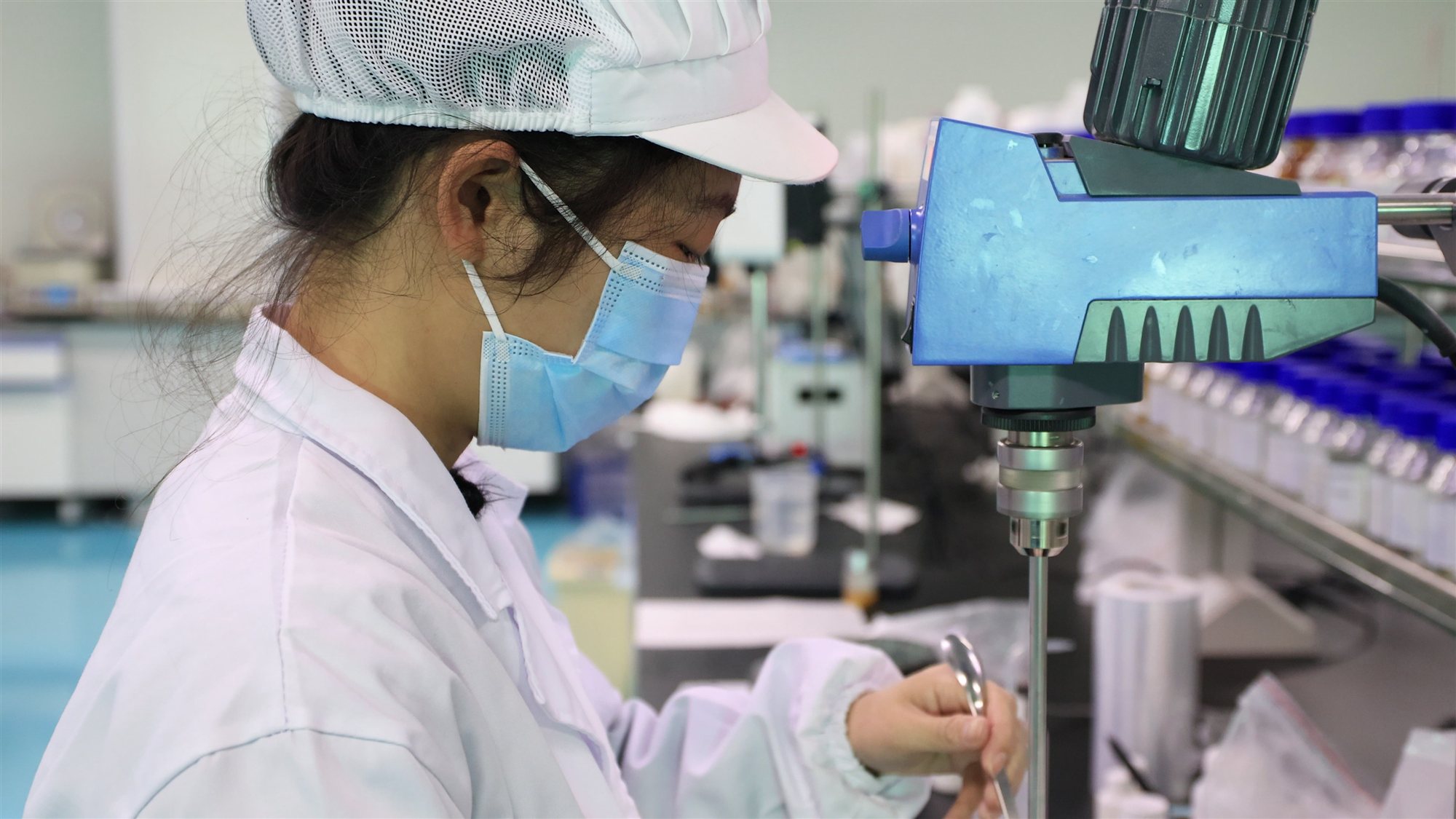
The ingredient names on a label help a formulator understand the product direction. Production also depends on the relevant percentages, material specifications and processing conditions.
For example, a botanical extract may differ by supplier, carrier or grade. Two materials with the same ingredient name are not necessarily interchangeable. Ask the formulator to explain any proposed substitution and what must be checked afterward.
Organize the handover into three parts:
- Product target: the appearance, fragrance, skin feel and performance that must be maintained, and the differences you are willing to discuss.
- Technical information: the formula version, raw material specifications, process requirements and existing test information you are authorized to provide.
- Physical references: accepted finished samples, the actual sales packaging, and the batch information that connects them.
“Make it exactly like this bottle” leaves too much open. Write down what matters most, so both sides can judge the sample against the same priorities.
A Transfer That Stalled Over One Supplier Detail
A client we worked well with wanted to move two products from another factory to us. He had discussed the move with that factory, and it supplied the handover information.
We bought the materials and followed the process provided. The samples still came out differently, especially in skin feel. Later, through an unexpected conversation, I learned that the supplier information for a Pro-Xylane raw material had deliberately been given to us incorrectly.
That experience made me pay closer attention to raw material specifications. Materials sold under the same name can differ in manufacturing method, dilution and active concentration. Receiving a formula and process sheet does not remove the need to verify the material sourcing details in them.
Align the Sample Before Confirming Production
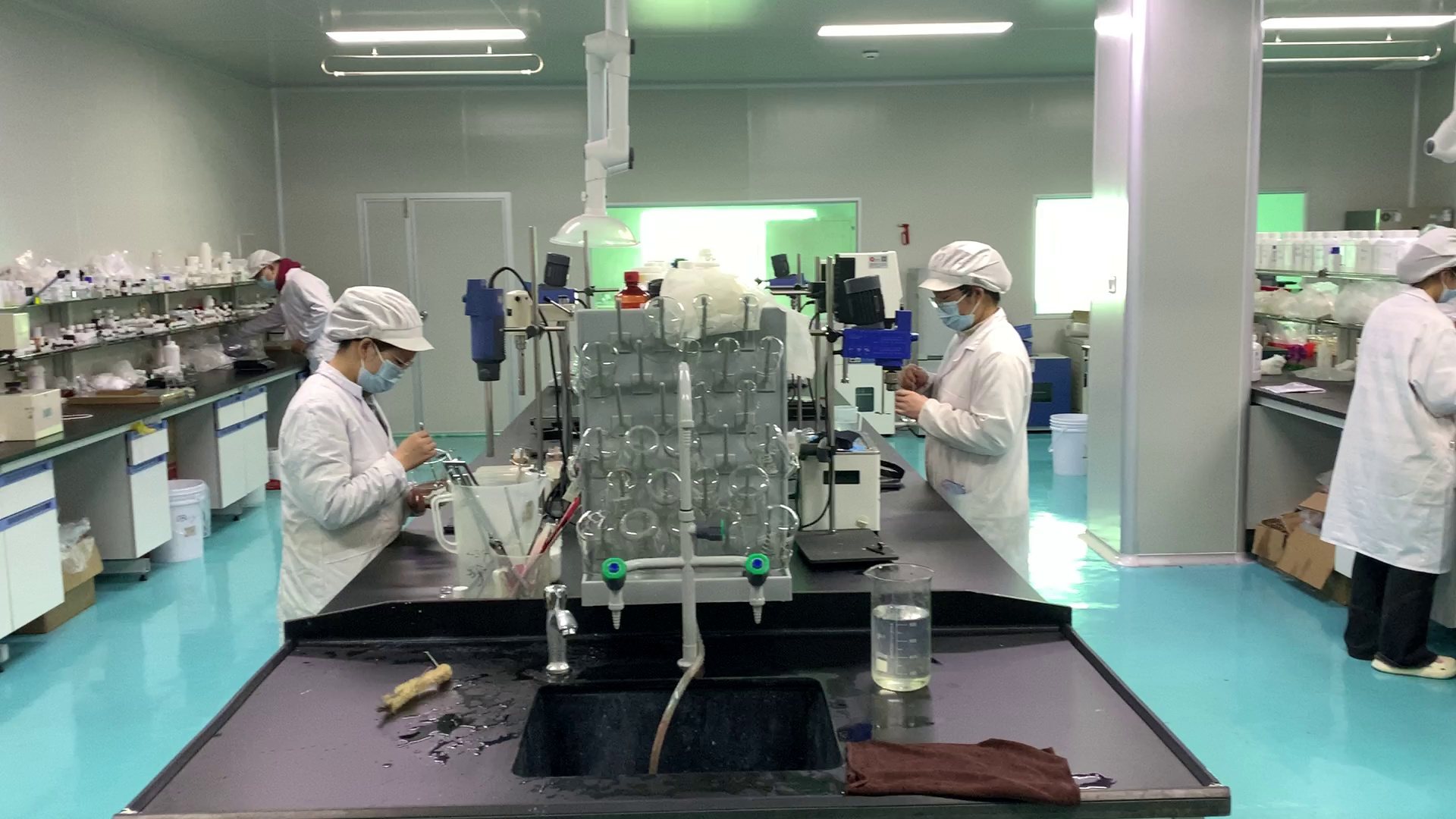
After reviewing the information, the new factory should identify what is known, what is missing and what it proposes to change. If an original raw material cannot be sourced, that needs to be discussed before sampling, rather than after a production order has been completed.
Use one version record to review samples. Confirm appearance, fragrance, skin feel and the agreed quality specifications under comparable conditions. Avoid treating a freshly made sample and a much older retained product as directly equivalent without considering their storage history.
Useful feedback identifies what is accepted, what must change, and whether the proposed change affects another requirement. “Close enough” is difficult to turn into a repeatable production instruction.
Our guide to custom formula sample rounds explains how to organize those decisions. Each round should resolve a defined issue.
Once the laboratory sample is accepted, ask which equipment the factory will use, which process conditions need confirmation, and how it will check the product at the intended production scale.
Written instructions and batch records make that discussion more specific. The FDA cosmetics GMP inspection checklist provides background on those records; it does not establish that an individual transferred product has been validated.
For the production-stage checks, see what happens during a cosmetics pilot run.
Transfer the Packaging Details Too
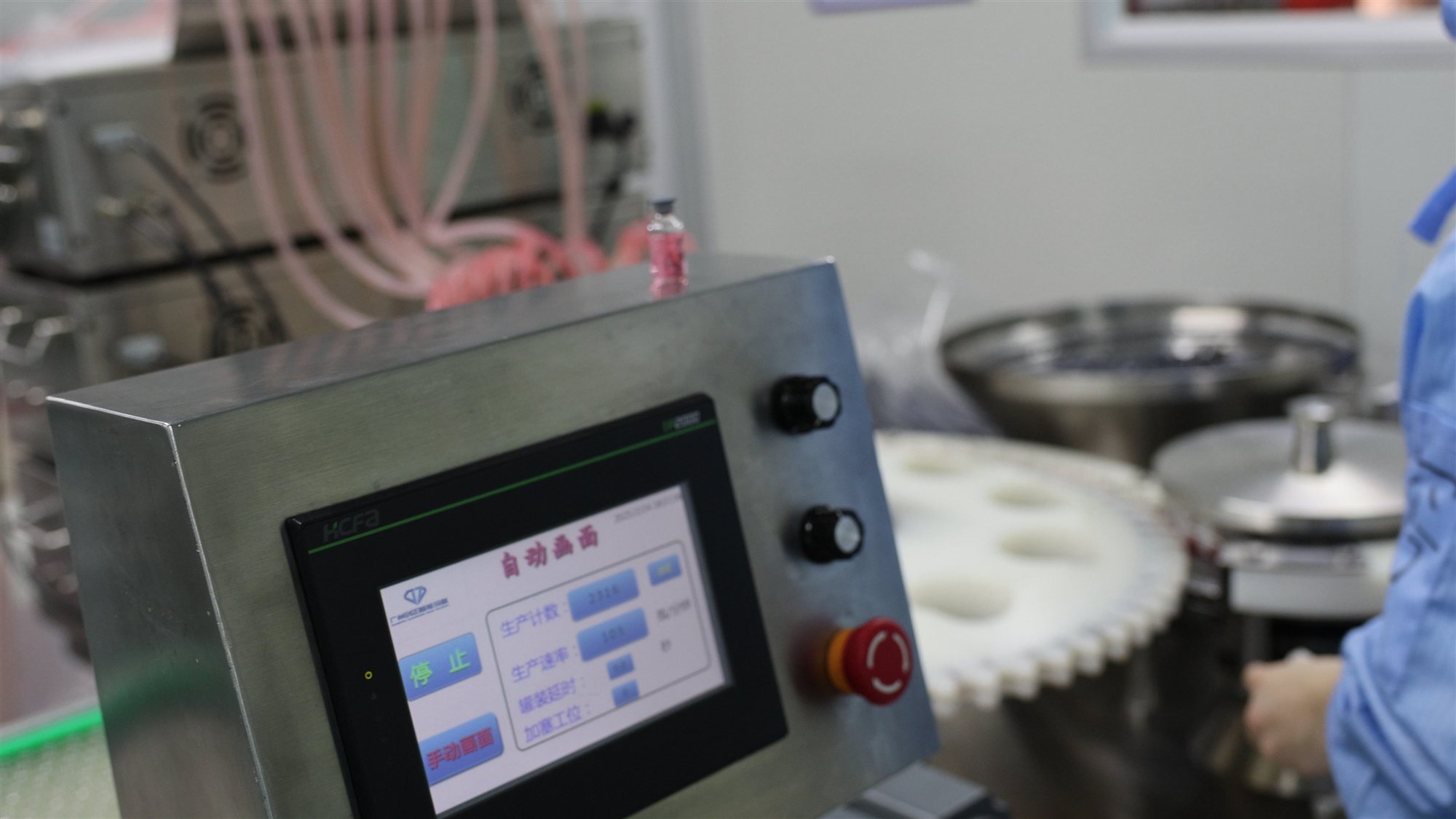
A similar bulk formula still needs to work in the actual package. Supply the bottle, pump, closure, insert and current label version, rather than only a product photograph.
If you retain the packaging supplier, confirm that the specifications and samples received by the new factory match the components that will be delivered. If you change the supplier, contact material, pump or insert, reassess the affected parts of the product and package combination.
Depending on the product, the discussion may include filling, leakage, dispensing, condition after transport and compatibility with the contact materials. Record the checks you agree on.
Previous use of a bottle at the old factory is useful history. The new combination still needs to be assessed. Our packaging compatibility guide covers that work in more detail.
Set the Changeover Date Around Confirmed Milestones
Start with how long your current inventory will last at the present sales rate. Then include development feedback, material availability, packaging, production confirmation, testing and transport in the handover schedule.
Ask which activities can run together and which depend on an earlier approval. Without that information, a promised shipment date is difficult to assess.
Use milestones both parties can check:
- Confirm which documents may be transferred and used.
- Complete the receiving factory’s feasibility review and identify differences or missing information.
- Approve the sample version, packaging and check plan.
- Complete the necessary production-scale confirmation and agree on release criteria.
- Inspect and deliver the first order, then use its results to plan the next order.
If remaining inventory cannot cover that work, discuss replenishment, a staged changeover or a revised sales schedule. An approaching stockout does not resolve an unanswered product question.
The schedule should tell the brand what is still open, who is responsible, and what needs to be finished before the next step.
What We Ask for When Reviewing a Transfer
At Jogong Labs, we begin with the product name, destination market, and the relevant filing and labeling requirements. We then establish which documents the client can provide.
Our usual handover request includes an ingredient list with confidential details removed where necessary, a process flowchart, the applicable product standard, test reports for the latest three batches, and product samples from at least three batches. For packaging, we request specifications and physical samples.
When information is incomplete, we first list the gaps, the differences that need review, and the decisions the client must make. That comes before the quotation assessment.
We also receive projects with only a finished sample. One client brought a competitor’s product and asked us to make something like it as quickly as possible. We explained that a finished product provides a performance reference, but does not disclose its exact raw material sources, complete formula structure or manufacturing route. We could offer benchmarking and sample validation, without promising to reproduce the formula completely.
We compared appearance, pH, viscosity and skin feel, then separated the requirements into three groups: characteristics to maintain, items open to adjustment, and risks requiring the client’s decision. Our recommendation was to make formula adjustments and validate samples. We proceeded after the client accepted that key materials could be replaced and the relevant filing could be amended.
That is how we approach the work: explain the information gaps and product differences, then discuss sampling and production assessment.
A useful inquiry can therefore be short:
“We have an existing product and are considering another manufacturer. These are the documents we are authorized to share, our accepted samples and our packaging specifications. These characteristics must be maintained; these items are open to discussion. Our intended quantity and delivery date are below. Please identify missing information and differences before proposing sampling and production.”
Frequently Asked Questions
Can I change factories with only an ingredient list and a finished sample?
You can request a feasibility assessment. The new factory should explain what the available information establishes and what remains unknown. If it cannot directly accept the existing formula, agree on a development target and acceptance criteria before asking for production.
Can I place a production order if a factory promises an identical product?
Ask what supports that promise: which materials and documents have been checked, what differences remain, how the sample will be assessed, and what production-scale checks are planned. Base the order on agreed information and results.
Can the existing test reports still be used after a factory change?
Identify the formula, packaging and manufacturing conditions covered by each report. Have the relevant development, quality and market-compliance specialists assess its applicability to the transferred product. Additional checks depend on the actual changes; the reports are not automatically all valid or all obsolete.
Does receiving the formula file mean production can start immediately?
The factory still needs to confirm material availability, equipment and process suitability, packaging, quality criteria and scheduling. A completed document handover is one milestone in that preparation.
Start With the Information You Already Have
List the formula information you are authorized to share, accepted samples, actual packaging and the stock coverage remaining. Use that list when comparing manufacturers. Specific questions will help you distinguish a technical assessment from an unsupported promise.
You can submit the project through our OEM and ODM services for an initial review of the information and production requirements. To learn who is involved, read Tyler’s factory background.
For this part of the project, see Cosmetic Manufacturer Documents by Decision. Request documents that identify the manufacturer, define your product and support the next purchasing decision.
 WhatsApp
 WeChat
Related reading
Tell us what you want to make.
Get a quote, request samples or book a short call — all in one form. Tell us your product idea, target market and estimated quantity.
Confidential by default · NDA available on request · Reply within one business day