

 By Tyler
·
4 min read ·
Packaging, Compatibility and Components
By Tyler
·
4 min read ·
Packaging, Compatibility and Components
Packaging compatibility testing is not just checking whether a bottle leaks after a few days. It tests whether the formula and package can remain stable, easy to use, and consistent through filling, transport, heat, cold, and the full shelf life.
The same formula can behave differently in glass, plastic, an airless bottle, a tube, or a dropper. If packaging is not tested with the formula before the formula is locked, problems often appear during the pilot run, ocean shipping, or after the product is already on the market.
This guide explains what compatibility testing should cover, how the test is usually done, what the brand needs to provide, and where projects most often go wrong.
What Packaging Compatibility Testing Must Cover
Packaging compatibility should cover at least six areas:
- Physical compatibility: leaking, clinging, lumps, separation, or a blocked pump.
- Chemical compatibility: reactions with the bottle, liner, dropper, pump, gasket, or tube.
- Sensory changes: color, odor, viscosity, and skin feel after contact with the package.
- Use performance: how well the pump, dropper, tube, or airless package dispenses the product.
- Environmental resistance: heat, cold, temperature cycling, and transport vibration.
- Shelf life: whether the formula remains stable inside the package through the target expiration period.
How Compatibility Testing Is Usually Done
1. Use the Real Formula
Water is not a substitute for fragrance, oils, acids, alcohol, active ingredients, or botanical extracts. The test should use the final formula or the closest approved version.
2. Use the Actual Package and Fill Volume
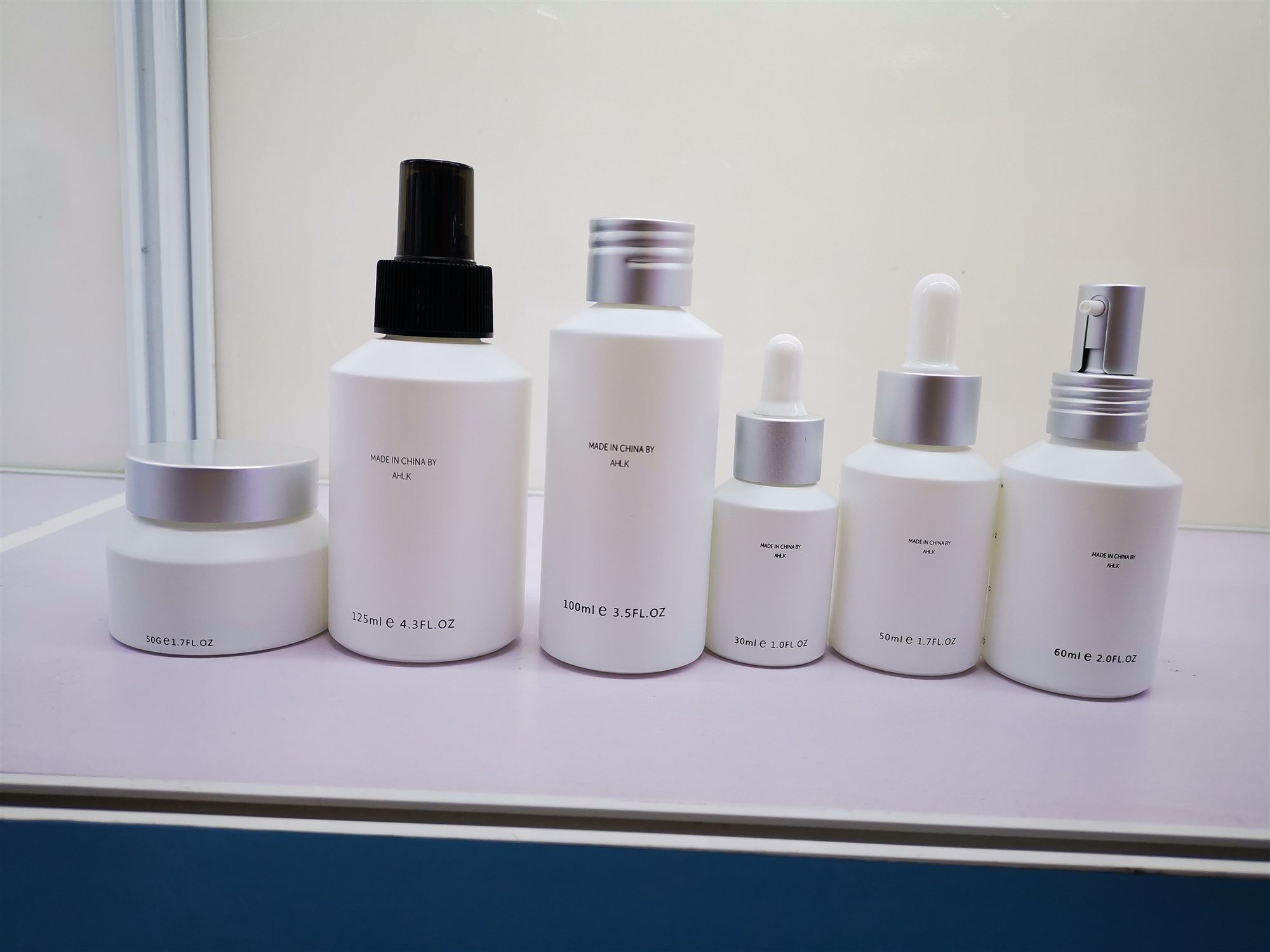
A sample bottle or an old stock bottle may come from a different supplier or production lot. Use the target package and the normal fill volume so the pump, dropper, seal, and headspace are tested in the real condition.
3. Test Heat, Cold, and Temperature Cycling
Heat accelerates material aging and formula change. Cold changes viscosity and flow. Temperature cycling can expose repeated expansion, contraction, and seal failure.
4. Test Pumps, Droppers, and Tubes
Record the dispensed amount, suck-back, dripping, wall cling, pump return, and tube squeeze force. “It pumps once” is not enough. The package has to work repeatedly.
5. Simulate Transport
If the product moves by ocean freight, high temperature and long transit time must be part of the test. A package that works in the warehouse may fail in a shipping container or after several transfers.
A Real Case: Essential Oil and the Dropper Material
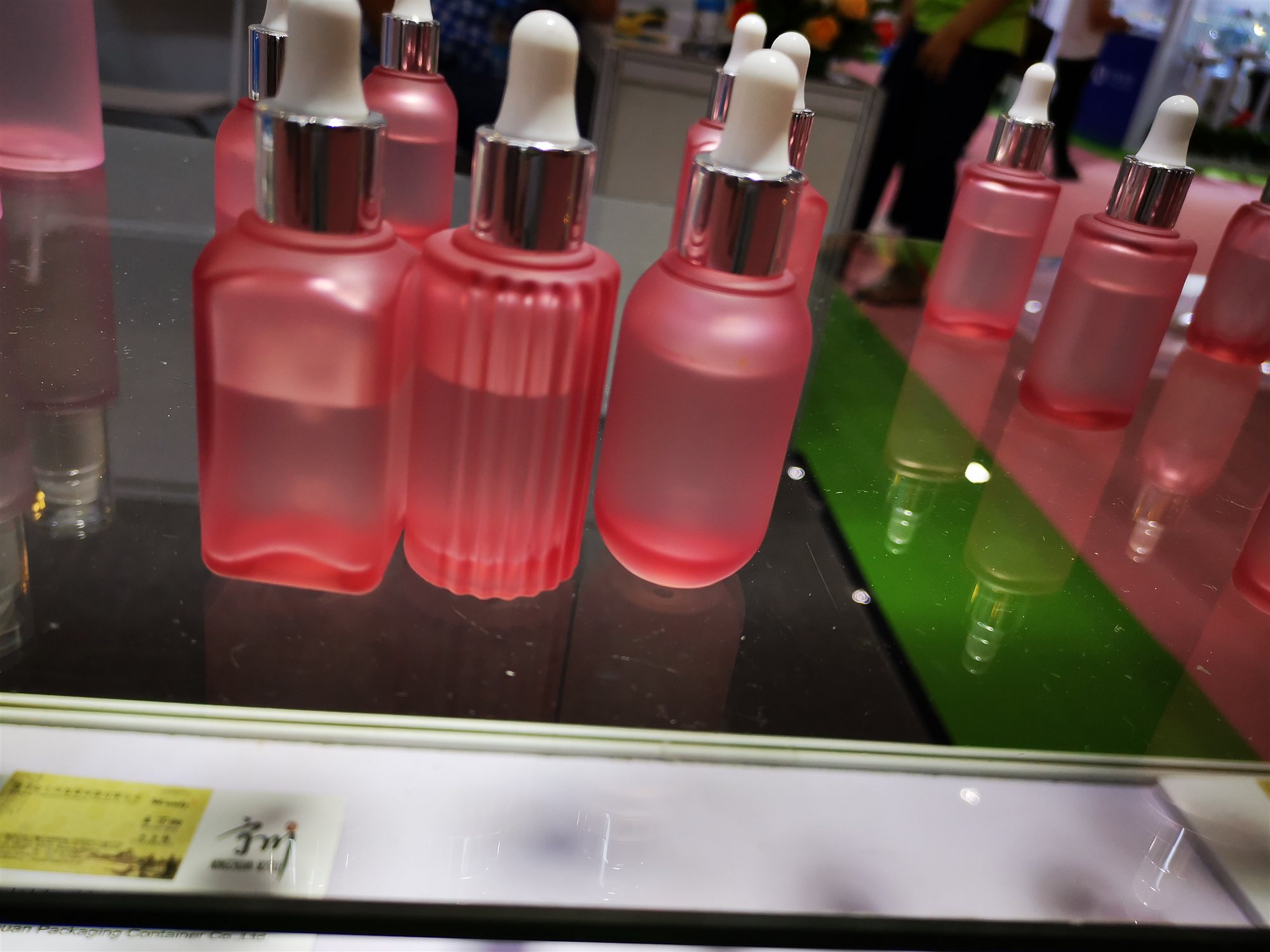
Different products place different demands on packaging. A formula with alcohol needs packaging that resists alcohol. A high-concentration essential oil has even more demands on the dropper, pump, and seal materials.
One project involved a high-concentration essential oil. The dropper was supposed to use a high-grade nitrile material compatible with the oil, but the supplier delivered a dropper that did not meet the requirement. During ocean shipping, the package was exposed to high heat. The dropper material reacted with the oil, the formula became contaminated, and the product developed a plastic smell.
The problem was solved only after the dropper material was changed. The lesson is that compatibility testing cannot focus only on the bottle. The small parts that touch the formula are often the first to fail.
What Most Often Causes Incompatibility
- A high percentage of oils or essential oils
- Alcohol, acids, or high levels of active ingredients
- Fragrance and preservation systems
- Plastic material, liners, and recycled resin
- Gasket, pump, and dropper materials
- High-temperature filling or transport
- Supplier lot variation
- Formula or package changes after the original test
What the Brand Should Provide
Before testing, the brand should confirm:
- The final formula version and sample number
- The actual bottle, pump, dropper, and tube
- The target fill volume and selling unit
- The target market, transport method, and storage conditions
- The target shelf life and use pattern
- The formula and package change record
- The test standard and acceptance criteria
Conclusion
Packaging compatibility testing has to look at the formula, package, filling, transport, and shelf life together. One short leak test does not prove that a product is ready for market.
The earlier packaging is included in formula and pilot development, the easier it is to find a problem before the production order is placed.
 WhatsApp
 WeChat
Tell us what you want to make.
Get a quote, request samples or book a short call — all in one form. Tell us your product idea, target market and estimated quantity.
Confidential by default · NDA available on request · Reply within one business day