

 By Tyler
·
6 min read ·
Manufacturing, Quality, GMP and Testing
By Tyler
·
6 min read ·
Manufacturing, Quality, GMP and Testing
A pilot run is not just a larger sample. It is the first time a brand, a formula, a package, and a production line are tested together under conditions close to full production.
Sampling answers a different question: do you like the formula? A pilot run answers whether that formula, package, process, and documentation can be repeated at production scale.
This guide explains when a pilot run happens, what the factory checks on the production floor, what the brand needs to confirm, and why a successful pilot run can still lead to changes.
The 8 Checks in a Cosmetics Pilot Run
A pilot run usually checks eight things:
- Formula and process parameters: emulsification temperature, mixing speed, homogenization time, cooling rate, and pH.
- Raw material lots and weighing: whether the materials match the approved sample and whether the batch record is traceable.
- Production sequence and bulk condition: ingredient order, dispersion, lumps, separation, and color change.
- Filling and package compatibility: whether the formula fills, pumps, or squeezes correctly, and whether it leaks or clings to the package.
- In-process QC and finished-product testing: appearance, viscosity, pH, odor, microbiological plan, and stability samples.
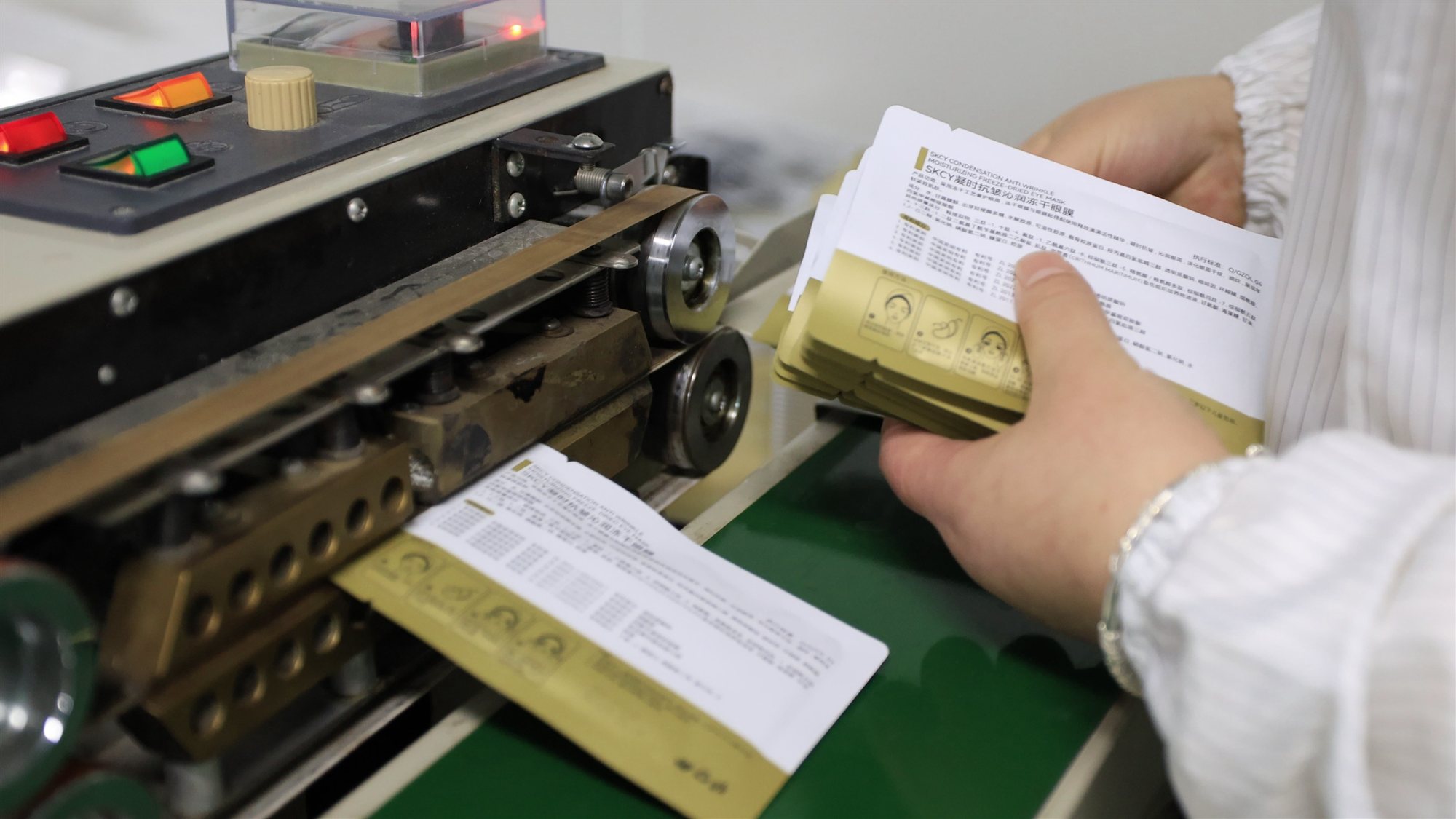
- Packaging line and manual operations: label placement, cartoning, sealing, coding, and case packing.
- Yield, loss, and line speed: how much one batch produces, where material is lost, and which steps slow the line down.
- Scale-up readiness: which parameters need to be reconfirmed when the batch increases for the commercial order.
A Pilot Run Is Not a Larger Sample
Samples are often made in a beaker or a small emulsifier. A pilot run moves into the production area and uses the actual mixing tank, filling line, and packaging line. Several things change:
- The equipment is larger, so temperature and shear can change.
- Material quantities are larger, so supplier lot differences become more visible.
- The filling line runs faster, which tests the flow and stability of the bulk.
- Operators need a documented process, not an engineer adjusting every step by feel.
- The record changes from laboratory notes to a batch record, QC records, and retention samples.
A successful sample does not guarantee a successful pilot run. Some problems only appear when the formula meets real production equipment.
When a Pilot Run Happens
A pilot run normally happens after three conditions are confirmed:
- The formula direction has passed sample approval.
- Stability testing has not shown a serious problem.
- The package, label, and filling method are basically confirmed.
If the formula is still changing significantly or the packaging is not ready, a pilot run usually does not make sense. A pilot run is not the time to guess the formula. It is the time to verify a formula that is close to final.
What Happens on the Production Floor
On the pilot run day, the factory follows the process as if it were a commercial batch.
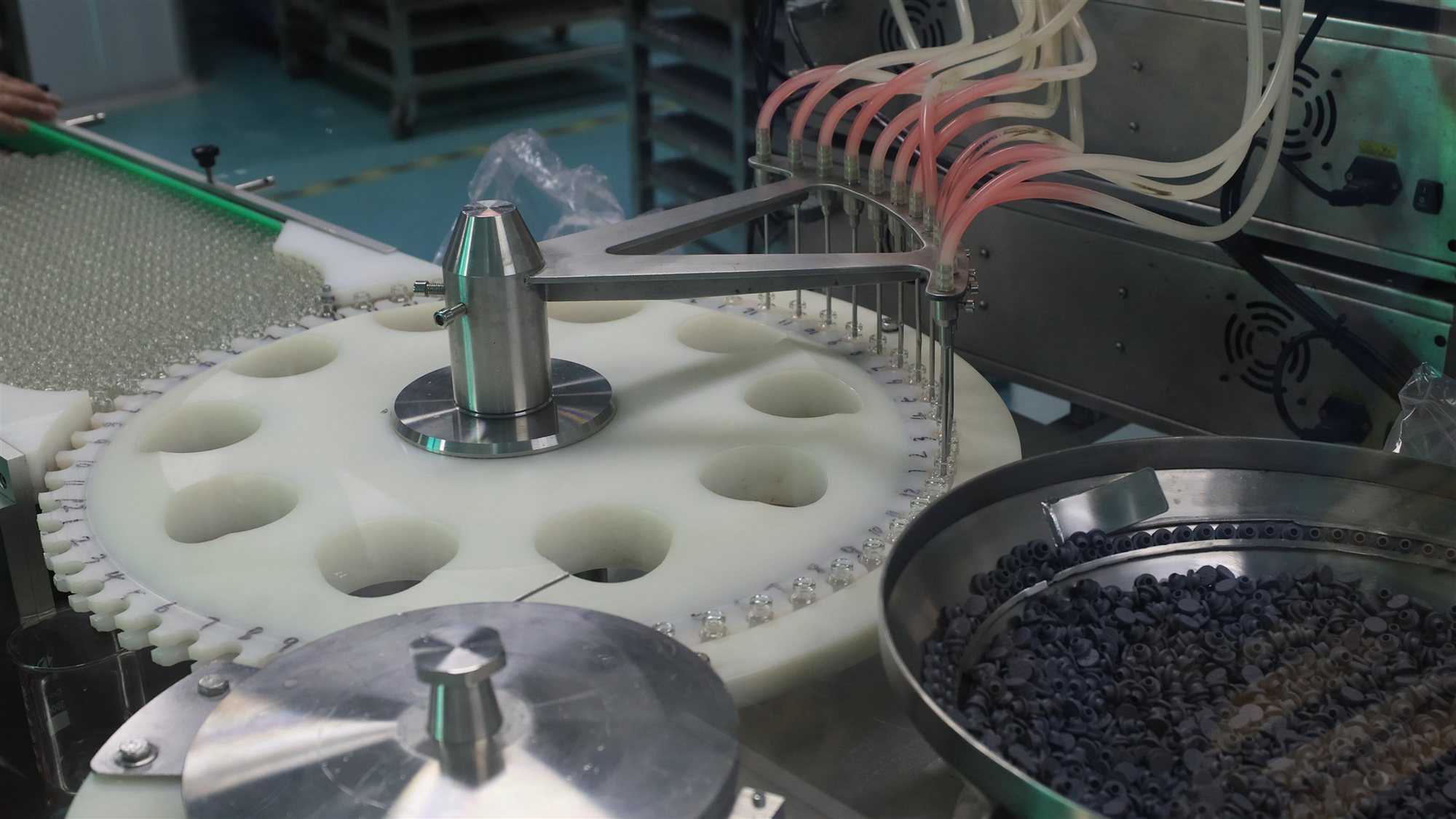
The team first confirms the batch record and bill of materials, including raw material lots, quantities, and weighing records. The bulk is then emulsified, mixed, homogenized, and cooled according to the process parameters. Temperature, speed, time, and operator observations are recorded throughout the run.
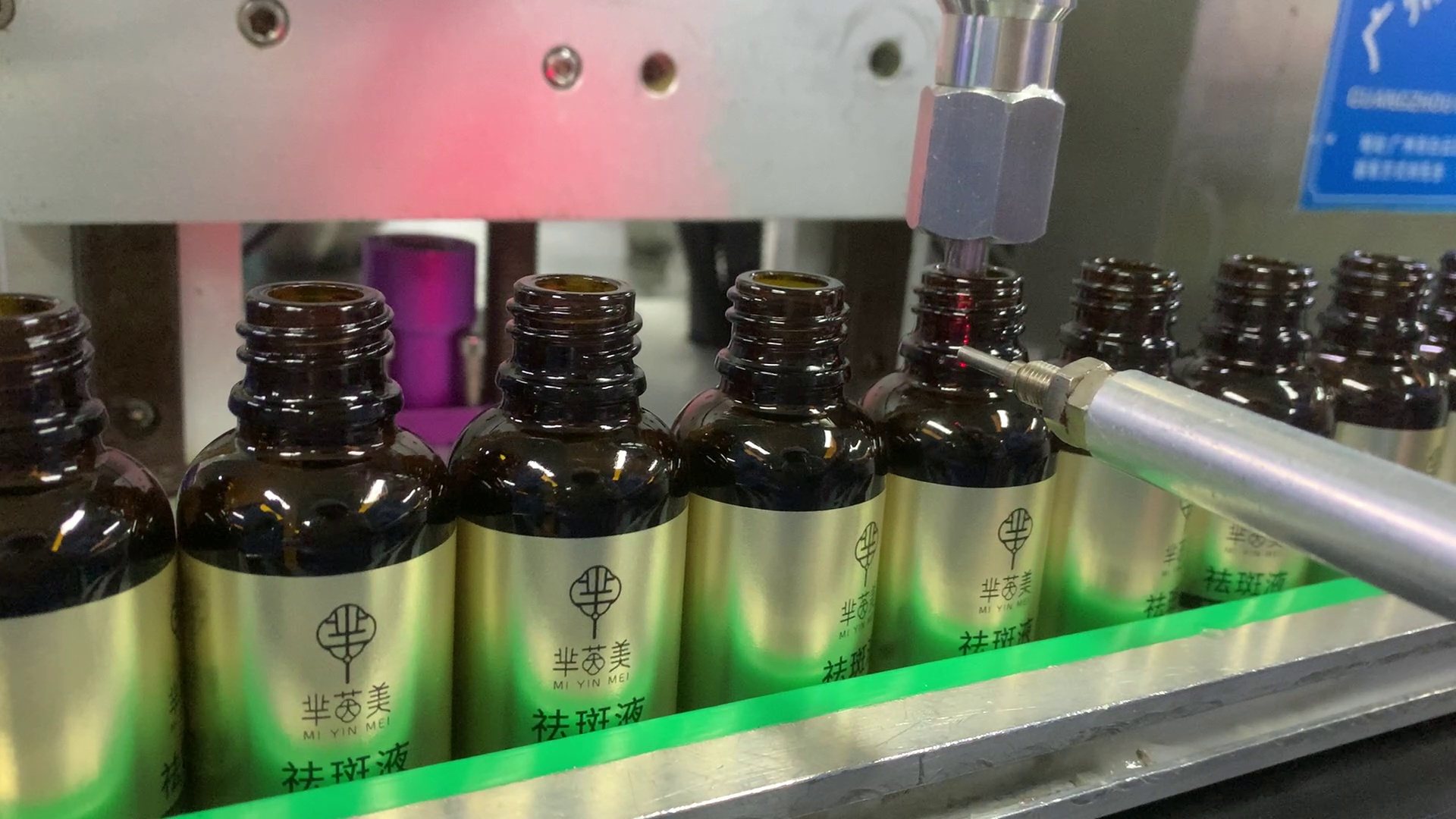
Once the bulk meets the release criteria, it moves to filling and packaging. The team checks the fill weight, seal, pump or dropper function, label placement, and carton fit. Finished samples and stability samples are retained, and in-process QC and finished-product records are completed.
After the run, the factory reviews what can be fixed, what needs adjustment, and what could affect the commercial order.
What a Pilot Run Often Reveals
Common findings include:
- A sample that looked smooth develops particles or separation at a larger scale.
- Viscosity is too high for the filling line to run at the expected speed.
- A pump cannot pull the formula correctly, or a dropper leaves too much product on the wall.
- Labels bubble, shift, or do not fit the bottle properly.
- Material loss is higher than expected, which changes the cost.
- The pilot batch color or odor is not exactly the same as the approved sample.
- The batch record is too general, so different shifts may run the process differently.
These findings are not a failure. The purpose of the pilot run is to expose them before commercial production.
A Real Case: The Dropper Material Problem
A US client developed a high-concentration botanical oil. We selected a package that looked good for the product. The dropper was supposed to use a nitrile material, but the supplier delivered a dropper that did not meet that requirement.
During ocean shipping, the product was exposed to high heat. The dropper material reacted with the oil, and the client reported the problem after receiving the shipment. We investigated the package, the formula, and the transport conditions, and finally identified the dropper material as the source.
Changing the dropper material solved the problem. The lesson was that a pilot run has to verify more than the bulk formula. Packaging, shipping conditions, and the final use environment also need to be tested together.
What the Brand Needs to Confirm Before the Pilot Run
The brand does not need to know every process detail, but it should confirm:
- The final formula version and approved sample number
- The target fill size, package format, and selling unit
- The actual bottle, pump, dropper, tube, or jar
- The label version and placement
- Any testing or documents required for the target market
- The pilot batch size and expected commercial order
- Who will approve the pilot sample and by when
If these items are not clear, the factory has to make assumptions. If an assumption changes after the pilot run, the data from that run may no longer apply directly to the commercial batch.
When Not to Scale Up
A successful pilot run can usually move into commercial production. The factory should not scale up immediately if:
- The formula or a key raw material changes.
- The packaging supplier, material, or dimensions change.
- The process parameters are not documented.
- Stability or microbiological results are still pending.
- Label requirements for the target market are not confirmed.
- The client has not closed the feedback loop on the pilot sample.
Scale-up is not just multiplying the quantity. It is repeating the approved formula, process, package, and records at a larger size.
Conclusion
A pilot run is the step between a sample and a commercial batch. It proves whether the factory can make the product consistently, not just whether it can make one good unit.
The earlier the brand confirms the formula, package, label, and feedback process, the easier it is to expose the real problems during the pilot run instead of carrying them into production.
If you are preparing for a pilot run, send us your product brief. We will review the formula, package, batch size, and production plan with you.
 WhatsApp
 WeChat
Related reading
Tell us what you want to make.
Get a quote, request samples or book a short call — all in one form. Tell us your product idea, target market and estimated quantity.
Confidential by default · NDA available on request · Reply within one business day