 By Tyler
·
8 min read ·
Launch, Retail Readiness and Scaling
When a retail buyer reviews a supplier, they are not really judging your product. They are judging risk. Before a supplier goes into their purchasing system, they need three answers: Can this product go on the shelf exactly as it is, can you keep it in stock, and if something goes wrong, who pays for it. Every item on that long approval checklist falls into one of those three questions.
Below is what buyers actually check, why each item matters, and where the factory has to step in.
The Three Questions Behind Every Checklist
- Can it be sold as-is? Barcodes, packaging, cartons and labels. One missing item and the product cannot be received.
- Can you supply it reliably? First order on time, repeat orders on time.
- Who carries the risk? Quality failures, returns, chargebacks and legal liability.
Keep those three in mind, and the six gates below are easy to follow.
Gate 1: Can the Product Go on the Shelf As-Is?
The first thing a buyer looks at is not the formula. It is whether the product can be received and sold without changes.
- Barcode: Does the product have a GTIN that belongs to your brand, and can their system read it?
- Retail packaging: Will it survive shipping and shelf display? Has it been through a transport test?
- Cartons and case pack: How many units per carton, and do the carton size and weight meet their warehouse receiving standard?
- Label: Responsible party, full ingredient list, net contents, batch code, production and expiry dates, and any required warnings.
Many brands only find the problem at this stage. A label file the factory approves is not the same as a label the retailer will accept. “We have always done it this way” does not mean the retailer will nod at the receiving dock.
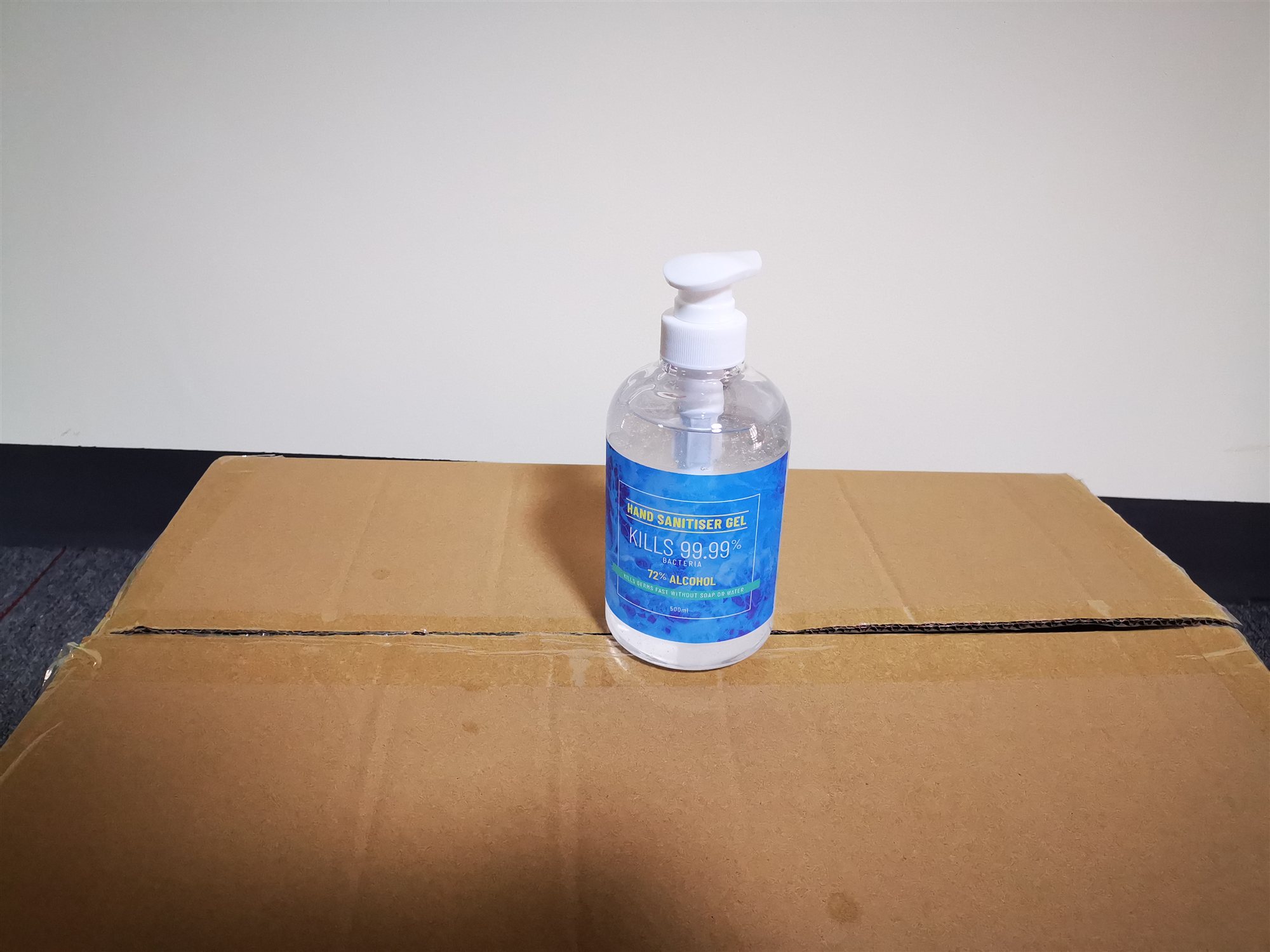
I learned this the hard way. A US client of mine was shipping into a large supermarket chain. Every carton had to hold exactly 12 units, and every carton had to be labeled with the supermarket’s own attributes and barcode, because they scan that barcode to receive the goods into inventory. This was around 2017, when I had just started in export. I missed the requirement. The goods sat for half a month without entering the supermarket warehouse, and it cost the client real money. We worked through it and fixed it. Since then, whenever a client has a requirement like this, I ask until it is completely clear and take care of it at the factory before the goods ship.
Gate 2: Capacity and Lead Time
When a buyer asks how much you can produce, they are not doing market research. They are asking: will you leave me out of stock?
- They usually do not stop at your headline number. They ask whose orders are on the line right now, and how early they need to lock production for peak season.
- Retail first orders come with a shelf date. Missing it does not mean “a little late.” It means the product misses the season, and it can trigger a channel penalty.
- Evidence counts more than a promise: production schedules, past shipment records and a capacity statement. A peak-season schedule matters most.
Capacity is the easiest place to overpromise and the fastest way to fail on the first repeat order.
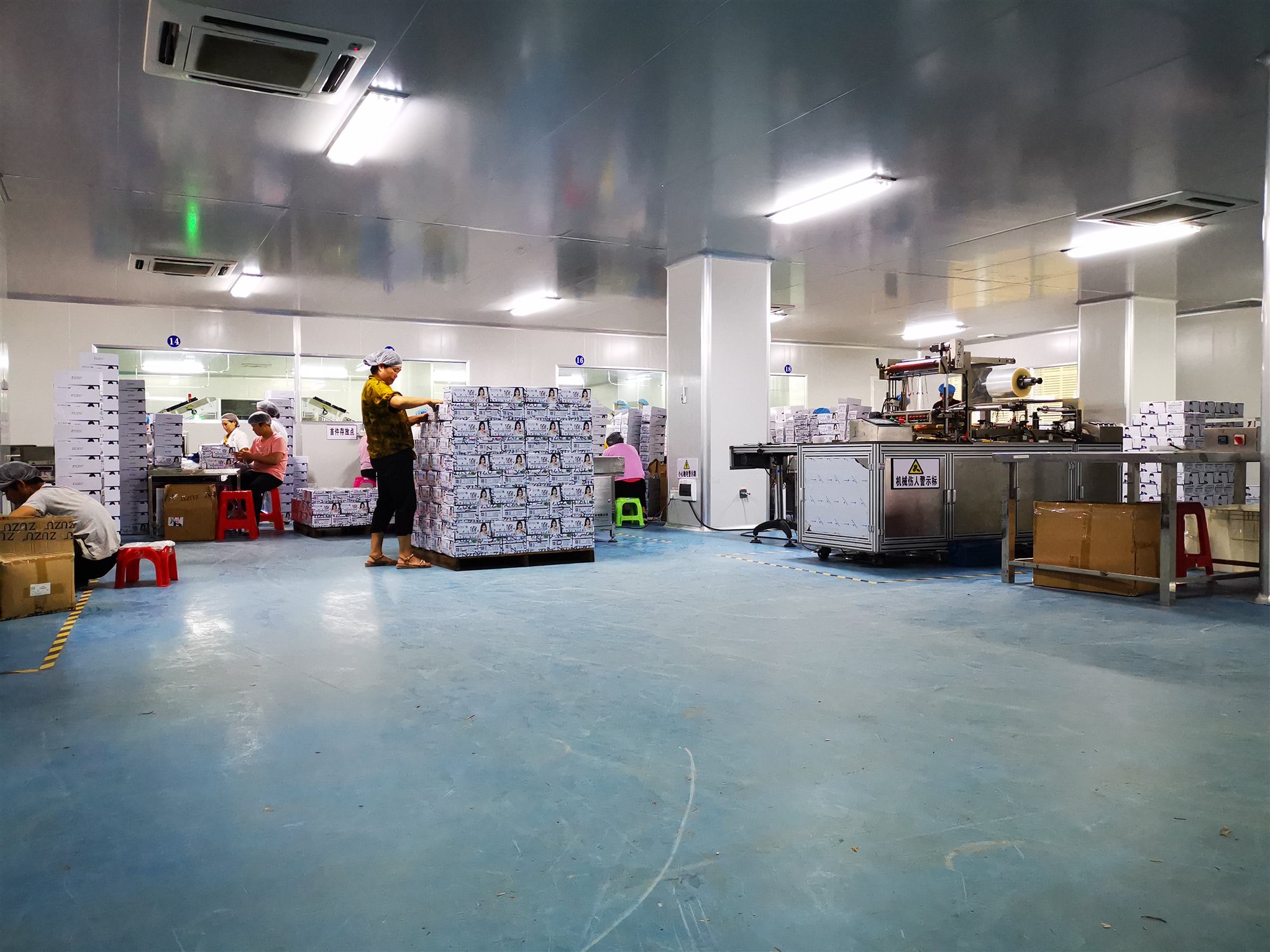
We run 12 production lines with a peak output of about 100,000 units a day. Private label takes about 15 days and custom formulation about 25 days. When the capacity is there, I can commit to the date. During peak season, if I cannot guarantee it, I tell the client before we start: the shipment will go out within this window, and no later than this date.
Gate 3: Quality and Traceability
The real question here is: if something goes wrong, can you trace it?
- Is there a COA for every batch, and does it match the batch code?
- Are retention samples kept, and for how long?
- Who runs the microbiological and stability testing, and how far does it go?
- When a complaint or a return comes in, who investigates, how long does it take, and how is it resolved?
Large chains often also require the factory to pass a third-party audit. Keep the two separate: a factory audit looks at the factory itself. This gate looks at whether you can account for a problem after it happens. They are related, but they are not the same thing.
Most clients do not know what their own channel requires at the start. So I ask what channel the product is going into. If they are selling on Amazon, I tell them from experience which qualifications are usually needed. If they are going into supermarkets, I tell them what that channel usually asks for, so a new brand does not walk into a problem it could have avoided.
Gate 4: Compliance Documents
US compliance is more detailed than it used to be. Buyers look at:
- MoCRA: product listing and responsible person information. We support MoCRA-related documentation.
- FDA facility registration: the FEI number for the facility is 3034048586. Ask your supplier to confirm the registration is current, because the status and the number are not the same thing.
- State requirements: California, for example, adds its own warning requirements, and some product categories are called out.
- Label claims: words like whitening, acne, SPF and anti-dandruff can move a product from cosmetics into drug regulation. That is the buyer’s biggest fear. Write the label conservatively; do not gamble.
Where the factory can help is with the standards behind these documents. We manufacture to GMP and ISO 22716 standards, and we can support the paperwork a buyer asks for.
Gate 5: Commercial Terms
Retail margins are fixed, so your ex-works price has to leave room for the channel. The factory cannot fix that for you, but the way the factory quotes will decide whether you can afford the channel at all.
Buyers usually also want:
- A clear MOQ and repeat order cycle. Our MOQ starts at 500 units per SKU.
- Product liability insurance, at the coverage level set in the supplier agreement.
- Returns, chargebacks and who pays for them.
- How responsibility is split when there is a quality issue.
These terms are far easier to agree before signing than after a problem.
Gate 6: Logistics and Operations
- Can you deliver to the channel’s receiving requirements? Appointments, carton markings and pallet specs have to line up.
- E-commerce channels add their own rules, such as platform barcodes and packaging standards.
- Can the export documents and customs paperwork keep up? Goods stuck at the port are out of stock too.

What Buyers Actually Ask
| What the buyer asks | What they are really checking | Who usually answers |
|---|---|---|
| What is your MOQ? | Can I test the market with a small first order | Factory |
| How soon can the first order arrive? | Whether it will make the shelf date | Factory + logistics |
| Do you have a COA and stability data? | Whether a problem can be traced | Factory |
| Has the label been checked for compliance? | Whether it can be pulled after launch | Brand + factory |
| Do you carry product liability insurance? | Who pays if something goes wrong | Brand |
| Can you guarantee supply in peak season? | Whether I will be out of stock | Factory |
| Have you supplied other retail channels? | Whether you have been tested before | Brand + factory |
Where the Factory Fits in This Checklist
Brands often assume this is all their own job. In practice, at least four of the six gates end with the factory producing something: labels and ingredients, quality documents, capacity and scheduling, and export and logistics paperwork.
So the order should be reversed. Choose the factory by retail standards from the start. Finding out during the channel review that the factory cannot produce the documents is far more expensive than choosing the right factory at the beginning.
The Five Most Common Failure Points
- A polished label file that is missing responsible party information and required warnings.
- A quoted price but no COA that matches the batch code.
- No production locked before peak season, so the first order slips.
- An ex-works price with no room for the channel margin, so the product never fits the buyer’s budget.
- Writing the label with a “get it through for now” attitude and pushing a cosmetic into drug territory.
Next Step
If you are preparing to enter US retail, start with one thing: take the table above as a checklist and ask your current factory every question on it. Wherever the answer is missing, that is what you need to fix.
If you need factory-side documents, or you want your product and label checked against retail standards before you talk to a buyer, contact us. You can see the manufacturing models we work with on our private label, custom formulation and contract manufacturing pages, and how we work on the Founder Story page.
 WhatsApp
 WeChat
Related reading
Tell us what you want to make.
Get a quote, request samples or book a short call — all in one form. Tell us your product idea, target market and estimated quantity.
Confidential by default · NDA available on request · Reply within one business day