

 By Tyler
·
9 min read ·
U.S. Compliance, Labels and Claims
By Tyler
·
9 min read ·
U.S. Compliance, Labels and Claims
A US cosmetic label is more than artwork. It is a compliance record that connects the formula, the package, the responsible party, and the claims a brand makes to the buyer.
FDA does not pre-approve every cosmetic label. The responsible party still has to make sure the information is accurate, complete, and consistent with the product being sold. Tyler’s R&D team reviews labels before packaging goes to print. The problems we see are usually simple: the responsible party has not been confirmed, the net quantity does not match the fill, the formula changed but the INCI list did not, or a marketing claim turns an ordinary cosmetic into a drug.
This guide explains the seven label checks we make before artwork approval, what MoCRA adds, and what a brand should send the factory before the design is locked.
The 7 Label Checks Before Artwork Approval
1. Product Identity
The principal display panel should make it clear what the product is. The product name, product form, and intended use should point to the same thing. A cleanser should not look like a serum, and a mask should not be labeled with a vague brand name that leaves the category unclear.
The whole label matters, not just the product name. The image, description, and claims should not contradict the product identity or mislead the buyer.
2. Responsible Party Name and Address
US labeling rules require the name and place of business of the manufacturer, packer, or distributor. Under MoCRA, the responsible person is the manufacturer, packer, or distributor whose name appears on the label. That makes the name and address block more than a design detail.
The worst time to confirm the responsible party is after the artwork is finished. If the brand entity, US distributor, importer, or overseas manufacturer changes, the address block, type size, layout, and sometimes the barcode can change with it.
If the named entity is outside the United States, the brand should confirm with its regulatory counsel how the MoCRA responsible person, US agent, and import documents work together. Do not leave that decision until the print deadline.
3. Net Quantity
Net quantity is one of the core elements of the principal display panel. It has to match the actual fill, the package format, and the selling unit. Liquids, creams, powders, and sets are not always declared in the same way. Metric and US customary units should not be copied from another product without checking the regulation and the packaging.
The factory also needs to know whether the product is sold as a single unit, a combination pack, or a gift set. A serum filled to 30 ml cannot simply be labeled as 1 oz because the numbers look close. Labeling is not a rounding exercise.
4. Ingredient Declaration
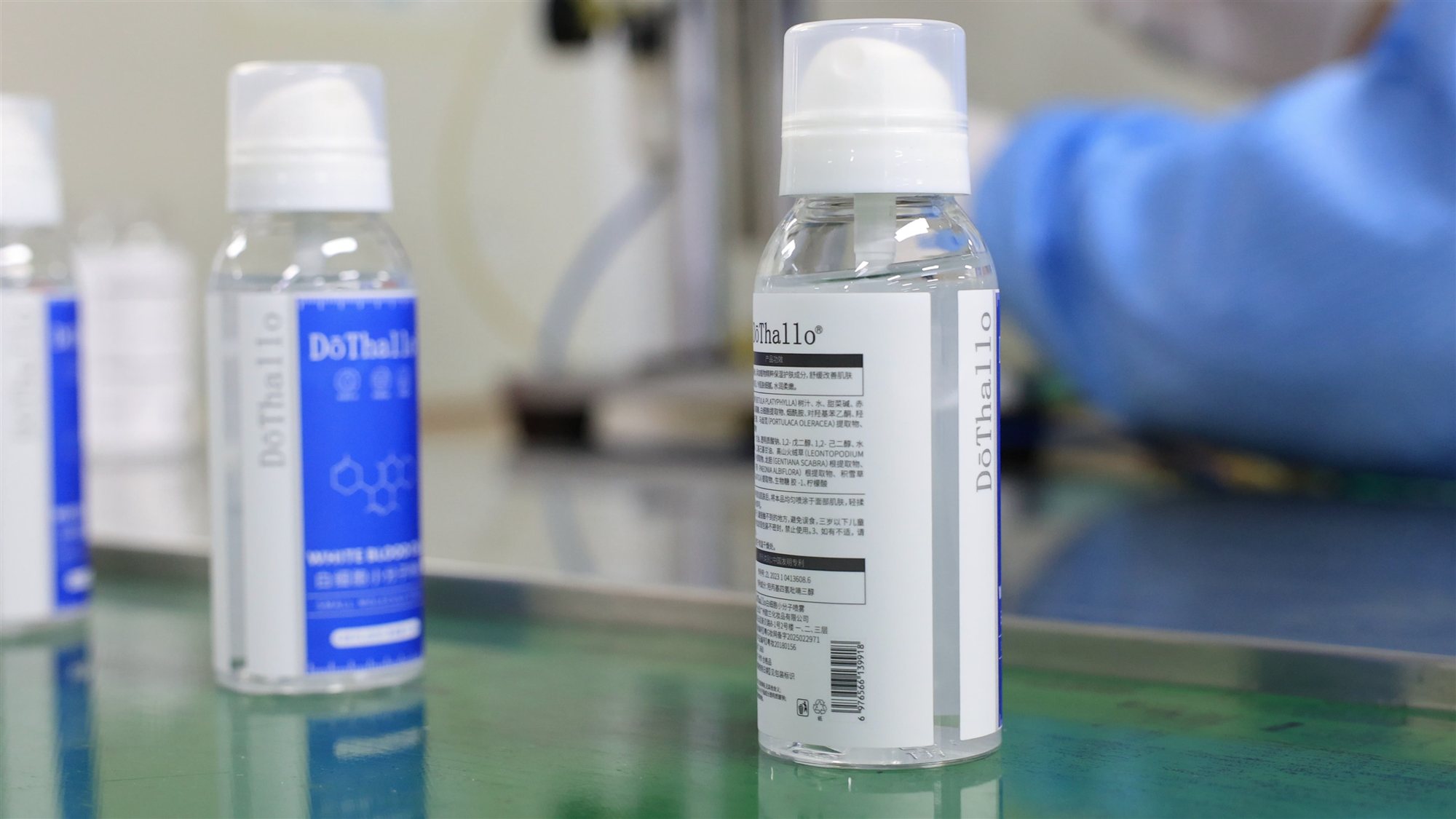
A US cosmetic ingredient list usually begins with the word “Ingredients” and lists ingredients in descending order of predominance. Ingredients present at 1% or less may be listed after the ingredients above 1% without following the descending order. Color additives may be listed after the other ingredients. Fragrance and flavor also have specific rules.
The important factory check is whether the ingredient list comes from the final production formula, not from a marketing summary. The same botanical material can have different INCI names depending on the supplier and extraction process. When the formula changes, the label may need to change too.
This is easy to underestimate in herbal skincare. Botanical extracts, fermented ingredients, and blended raw materials often contain more than one ingredient. The supplier’s trade name is not always the same as the INCI name. The brand, formulator, and factory should confirm that the final label, formula, and product listing use the same information.
5. Warning Statements
A cosmetic label does not become safer by adding every warning from another product. Different product forms, use instructions, and ingredients can trigger different warning requirements. The factory should confirm what applies to this product instead of copying a warning block from a previous SKU.
At the same time, a required warning should not be removed because the layout is tight or the brand does not like the wording. The practical approach is to list the possible warnings during artwork review, confirm which ones apply, and then decide where they belong on the package.
6. Language, Placement, and Prominence
Required labeling information must appear in English. If the label also contains another language, the required information must still appear in English. The text also has to be placed and printed so that it is easy to read. Colors, backgrounds, type size, and decorative elements should not hide the information a buyer or regulator needs.
One common problem starts with a Chinese or bilingual design that is later translated into English. The responsible party, net quantity, warnings, or ingredient list may be incomplete in the English version. It is better to lock the English regulatory information first, then decide whether a second language is needed for the market.
7. Claims and the Drug Boundary
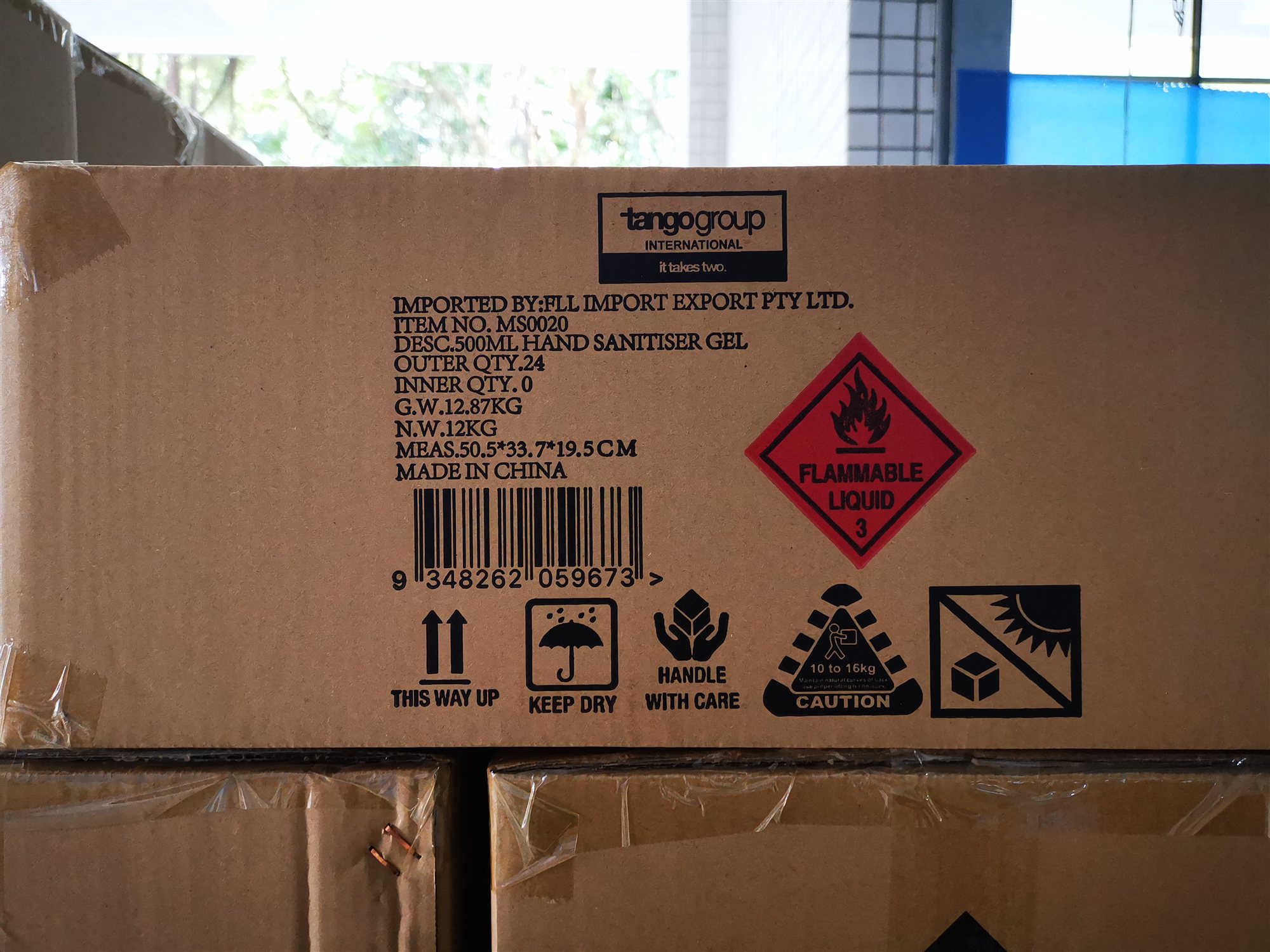
Claims such as moisturizing, cleansing, or improving the appearance of the skin generally fit a cosmetic product. A claim that the product treats acne, eczema, or an infection, or that it changes the structure or function of the body, may move the product into the drug category. Drugs follow a different set of labeling and product requirements.
The risk is not always one word. It is the full context. “Helps calm visible redness” is not the same as “treats rosacea.” “Helps the skin look more even” is not the same as “removes dark spots.” Brands should have high-risk claims reviewed before artwork is approved.
What MoCRA Adds
MoCRA gives FDA clearer authority over cosmetic facility registration and product listing. Facilities that manufacture or process cosmetics must register with FDA and renew their registration every two years. The responsible person must also submit a product listing. The listing uses product and label information, but it is not FDA approval of the label or the product.
FDA has also stated that it does not provide certificates or other documents to verify compliance for cosmetic product facility registration. A registration document is not a substitute for an accurate label. Label content, product listing, and responsible-party information are separate checks.For a separate look at facility registration, see FDA registration for cosmetics.
A Real Label Case: Simpler Is Not Always Better
One new skincare brand planned to sell on Amazon. We gave the client a label structure that included the fields required for the US market, but the client thought it looked too complex and asked us to simplify it.
After discussing the reasons behind each field and checking with Amazon’s official support, the client understood that the label was not complicated for no reason. It was closer to what the platform and the compliance requirements expected. We have worked with many Amazon sellers, and that experience helps us spot problems before the product reaches the listing stage.
The lesson is not that every label should be long. The lesson is that simple design and complete information are different goals. A clean label can still contain every required element.
How Tyler’s R&D Team Reviews a Label
When we review a label for a client, we start with the product requirements and the hard facts: the formula, the packaging, the label content, and the customs information for the destination market.
We also look at how the product will be sold. A label for Amazon may need to work with the platform’s listing and image requirements. A product going into US retail may face different expectations from the retailer or the local market. We raise these risks before artwork is locked so the brand can decide what to change.
The final compliance decision still belongs to the brand and its US regulatory advisor. Our job is to keep the production facts consistent and to flag the issues we see before they become a printing problem.
What a Brand Should Send Before Artwork Is Locked
To reduce revisions, the brand should provide:
- The final English product name and product identity
- The responsible party name, address, and legal entity
- The actual net quantity and selling unit
- The final formula and supplier INCI information
- The applicable warning statements and label requirements
- The target market, product form, and package format
- All claims, including claims used on the website or marketplace listing
- The package dimensions, barcode, and print color requirements
The last group is commercial and production information, not FDA labeling content. It still belongs on the same artwork, and a late change in one area often affects the others. The factory should check regulatory information, brand information, and production information as three separate columns.
Six Common Label Problems
- The responsible party is confirmed too late. The address block grows, the type size changes, and the principal display panel has to be rebuilt.
- Net quantity is copied from the package size. The fill amount does not match the declared quantity, or a set is still labeled like a single unit.
- The INCI list comes from an old formula. The raw material, supplier, or extraction process changes, but the label does not.
- Chinese and English are mixed together. The required information appears in Chinese, but the English version is incomplete.
- A claim crosses the drug boundary. A cosmetic product is described as treating, curing, or preventing a disease, or as changing body structure or function.
- Facility registration is treated as label approval. Registration, product listing, and label compliance are separate tasks. FDA does not provide a registration certificate that proves label compliance.
A Practical Handoff Checklist
| Check | Who confirms | What to provide |
|---|---|---|
| Product identity | Brand and factory | Final product name, form, and use |
| Responsible party | Brand and compliance reviewer | Legal entity, address, and US market role |
| Net quantity | Brand and factory | Fill amount, unit, and selling format |
| Ingredient list | Formulator and factory | Final formula and INCI names |
| Warnings | Brand and compliance reviewer | Applicable warnings for this product |
| English and layout | Brand and factory | Final English copy and print-ready artwork |
| Claims | Brand and compliance reviewer | Every claim used on the label and listing |
| Registration and listing | Responsible person | Facility registration and product listing records |
Conclusion
A US cosmetic label is not judged by design alone. It has to keep the product identity, responsible party, net quantity, ingredient list, warnings, and claims consistent with the product that is actually being sold.
The earlier the brand gives the factory the final information, the easier it is to treat the label as a production control document instead of a last-minute repair. For a brand entering the US market, label compliance should begin when the formula and package are being confirmed, not when the product is ready to go live.
If you are preparing a skincare, body care, or haircare label for the US market, send us your product brief. We will review the label information together with the formula, packaging, and production plan.
 WhatsApp
 WeChat
Related reading
Tell us what you want to make.
Get a quote, request samples or book a short call — all in one form. Tell us your product idea, target market and estimated quantity.
Confidential by default · NDA available on request · Reply within one business day