

 By Tyler
·
4 min read ·
Factory Due Diligence, Sourcing and Supply Chain
By Tyler
·
4 min read ·
Factory Due Diligence, Sourcing and Supply Chain
Verifying a cosmetic manufacturer in China is not a matter of asking whether the supplier is a factory. A buyer needs to verify the legal entity, production site, qualifications, equipment, quality records, bank account, and delivery responsibility.
A trading company is not automatically a problem. Many trading companies provide useful sourcing and export support. The risk appears when the supplier presents itself as the factory but cannot show who actually manufactures, controls quality, and ships the product.
This guide gives you a practical due diligence checklist for verifying a Chinese cosmetics manufacturer before you place a production order.
The 8 Checks Before You Trust a Manufacturer
1. Business License and Legal Entity
Check the company name, unified social credit code, registered address, business scope, and legal representative. The contract entity, receiving entity, and invoice entity should match. If they do not, ask for a written explanation before money moves.
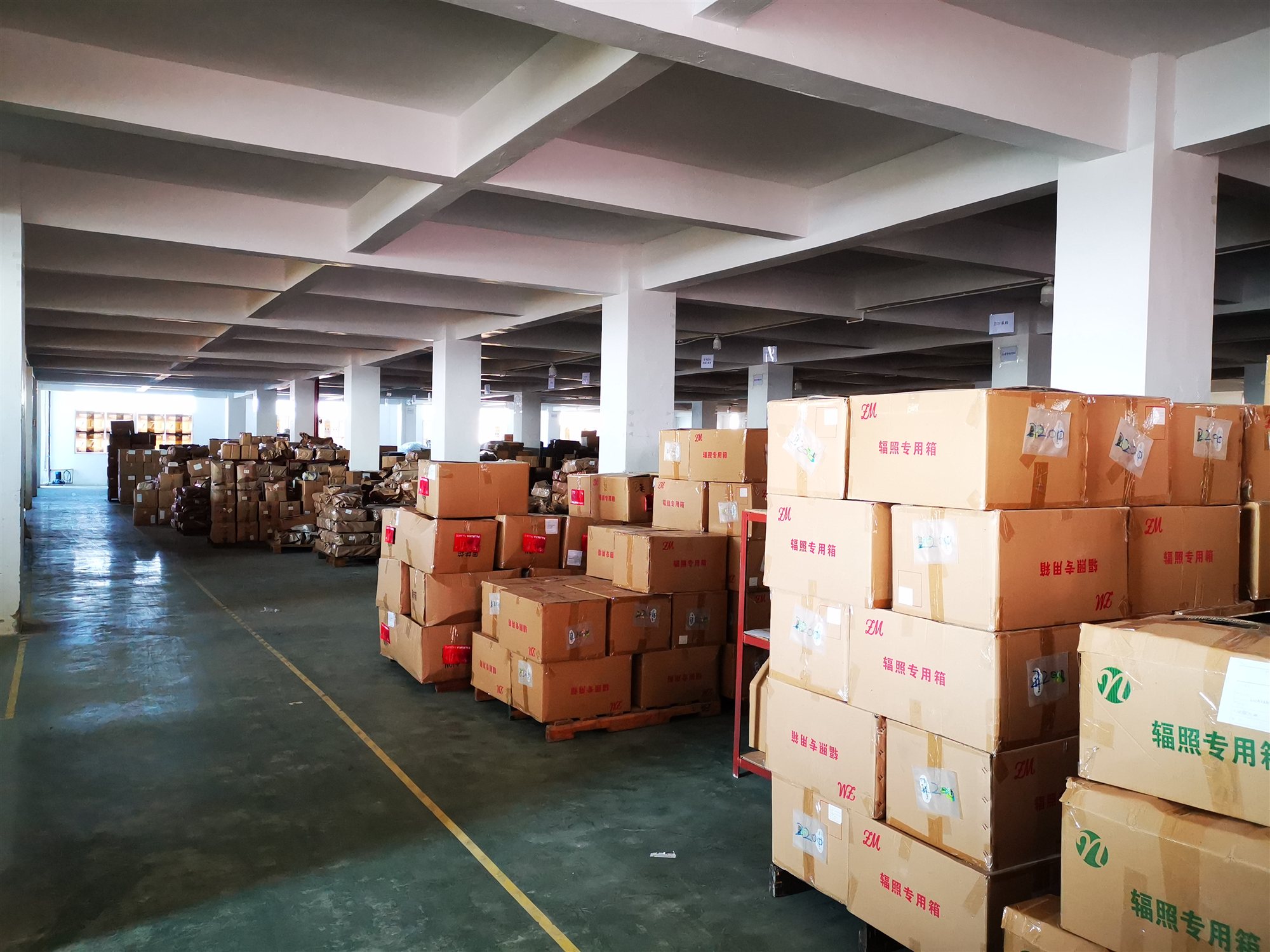
2. Actual Production Address
A registered address is not necessarily a production site. Ask for the production address, workshop photos or live video, and verify the location on a map. An office address alone does not prove that the company has a production line.
3. Production License or Relevant Qualifications
Depending on the product type and target market, confirm whether the factory needs a production license, hygiene license, GMP, ISO 22716, or another qualification. Check the entity, address, scope, and validity of every certificate.
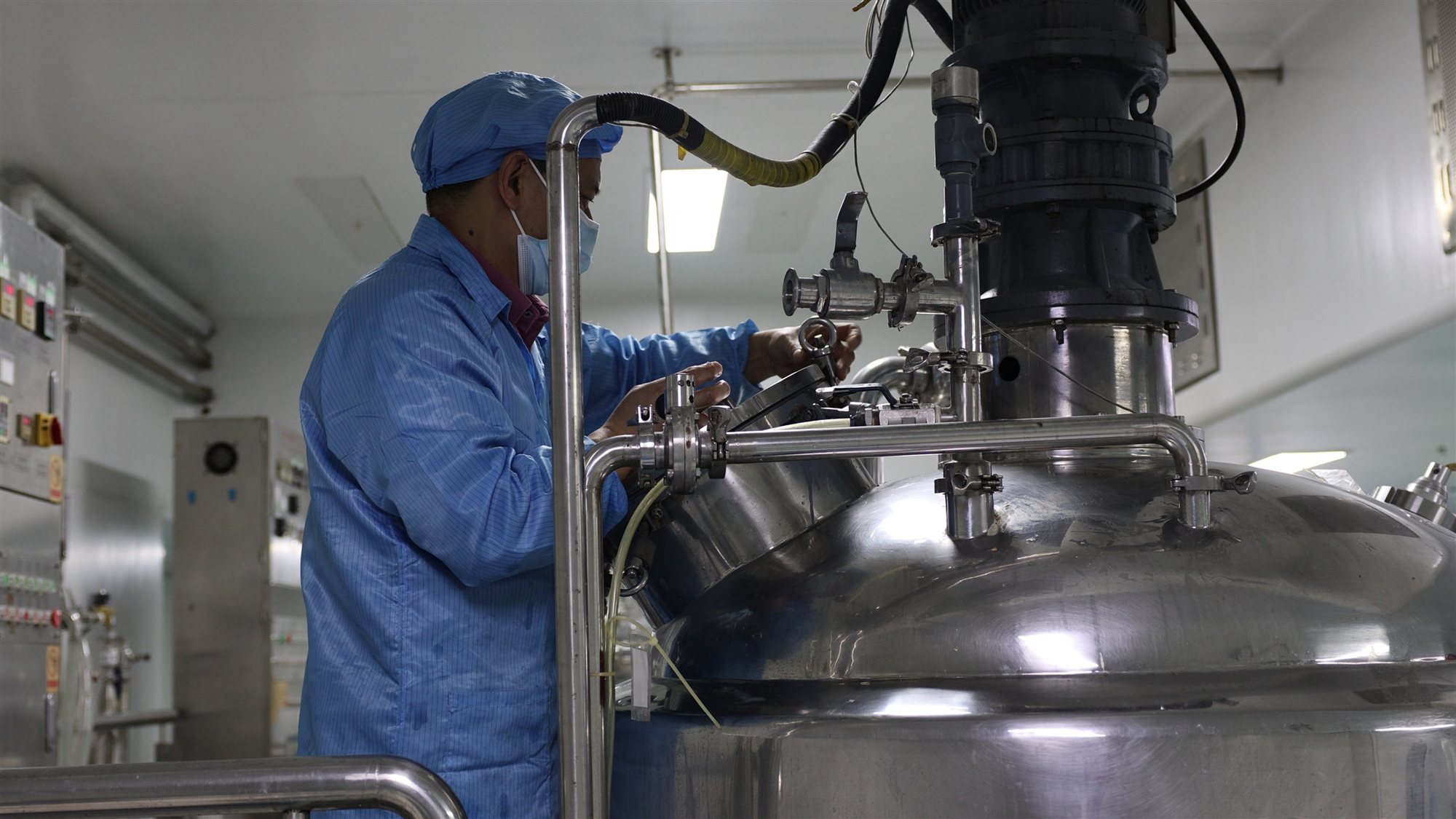
4. Equipment and Capacity
Ask to see the emulsification equipment, filling line, packaging line, laboratory, and quality-control equipment. Photos can be copied. A live video or site audit is harder to fake.
5. Quality Records
Request samples of batch records, COAs, stability plans, retention samples, and deviation handling procedures. A certificate cover page does not prove that the factory can execute the process consistently.
6. Bank Account and Contract Entity
The receiving account should match the contract entity. If the supplier asks for payment to a personal account or an unrelated third party, understand why and document the arrangement before paying.
7. Sample and Raw Material Traceability
The path from sample to raw material, formula, batch, and packaging should be traceable. If the supplier cannot explain who produced the sample or which material lot was used, the risk is high.
8. Live Video or On-Site Audit
Ask for a live video walkthrough of the workshop, warehouse, laboratory, and packaging line. Do not accept only an edited promotional video. When possible, arrange a third-party or customer site audit.
The Most Direct Check: A Live Video Walkthrough
Video calls are simple and fast. A buyer can contact the factory during working hours and ask the person to walk into the workshop, warehouse, or laboratory and explain the product and processes being used.
A person who really knows the site can usually explain each area naturally and answer questions about equipment, materials, packaging, and staffing. If the supplier keeps saying the factory cannot be shown and only sends an edited promotional video, treat that as a warning sign.
A video walkthrough does not replace a formal audit, but it is a low-cost first verification step.
Common Red Flags
- The company name, contract entity, and receiving entity do not match.
- The supplier gives only an office address and refuses to provide a production address.
- The supplier refuses a live video and sends only edited promotional footage.
- The supplier cannot provide a production license or relevant qualification.
- The certificate entity does not match the production entity.
- The supplier cannot explain the source of the sample, raw materials, or batch.
- The price is far below the likely cost of materials and packaging.
- The supplier pushes for payment but avoids a written contract and payment schedule.
How a Brand Should Proceed
- Check the legal entity and business license.
- Verify the production address and qualifications.
- Request a live video or arrange an audit.
- Collect quality records and sample traceability.
- Match the contract, invoice, and receiving entity.
- Start with samples or a pilot run before placing a large production order.
Conclusion
Verification is not one question. It is a chain of evidence. The business license, production address, qualifications, equipment, quality records, sample traceability, and receiving entity all need to point to the same operation.
A real factory should not be afraid of verification. The buyer should also conduct it in a professional, organized, and documented way.
 WhatsApp
 WeChat
Related reading
Tell us what you want to make.
Get a quote, request samples or book a short call — all in one form. Tell us your product idea, target market and estimated quantity.
Confidential by default · NDA available on request · Reply within one business day