

 By Tyler
·
6 min read ·
Private Label, OEM and ODM Models
By Tyler
·
6 min read ·
Private Label, OEM and ODM Models
Private label skincare means choosing an existing factory formula, putting your brand and packaging around it, and having the factory manufacture the finished product.
You are not starting with a blank formula. You are choosing a proven base, then deciding how the product will look, feel, and fit your market. The factory handles manufacturing, filling, packaging, and routine quality documents. Your brand handles positioning, pricing, sales, and the final label claims.
That can be a faster path to market than developing a new formula from scratch. It also creates a different set of decisions. These five matter most.
1. What exactly are you buying?
A private label project usually includes:
- an existing formula
- sampling and adjustment within the agreed scope
- packaging and size recommendations
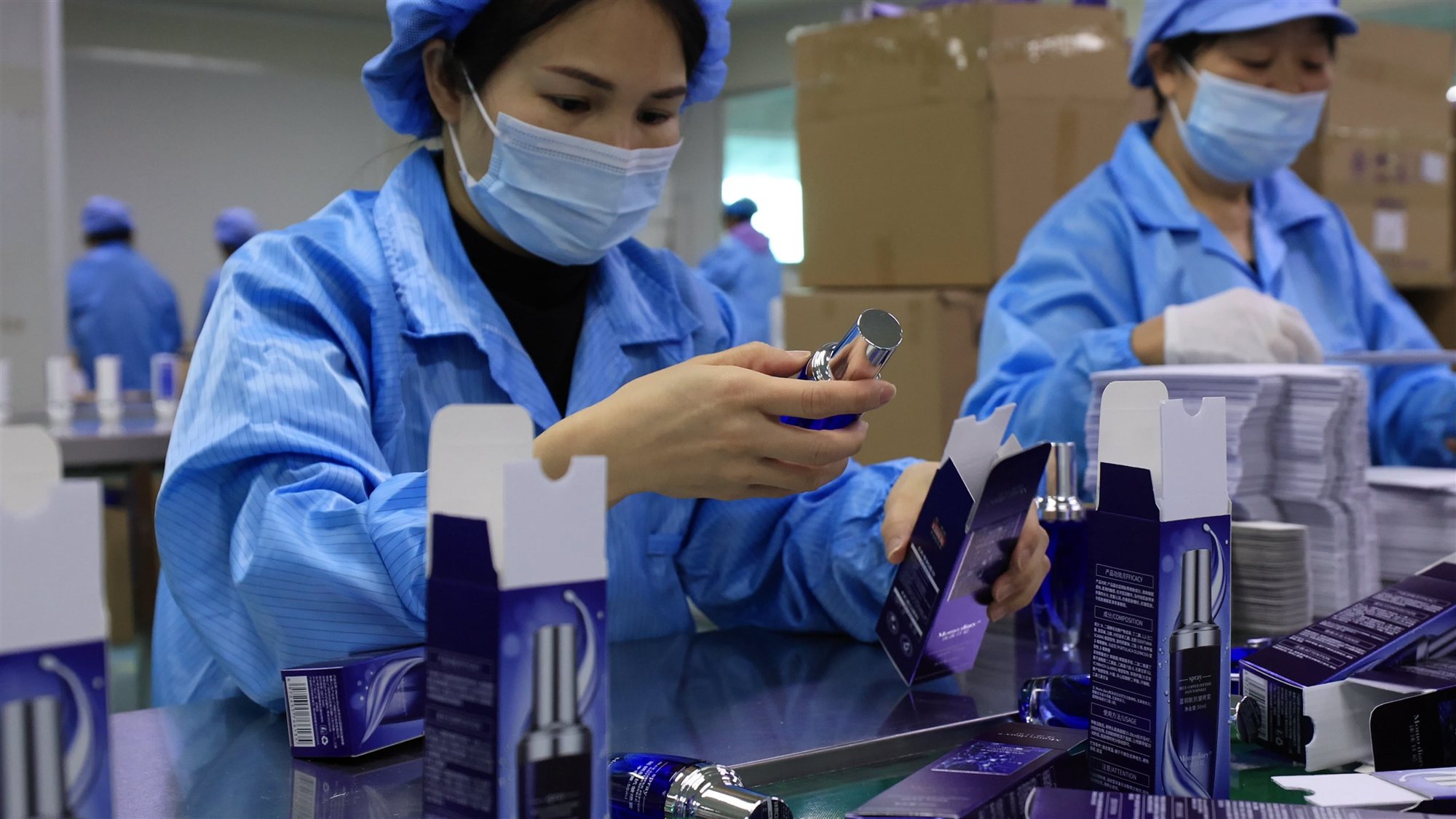
- filling and assembly
- batch production and quality checks
- shipment preparation and documents
Your brand still owns the commercial decisions:
- who the product is for
- what it should cost
- where it will be sold
- how it will be positioned
- what claims will appear on the label
- who is responsible for compliance in the target market
The factory can support the project, but it does not become the brand owner. That distinction matters when a product is sold in the United States.
2. Do you need private label, OEM, or ODM?
The words are often used loosely, but they describe different levels of control.
| Model | Where the formula comes from | Best fit |
|---|---|---|
| Private label | Select a formula the factory already produces | Fast launch, controlled budget, market testing |
| OEM | Brand supplies the formula or detailed requirements | Brand already has a finished formula |
| ODM | Factory helps develop or adapt the formula | Brand wants a more exclusive product but does not have a full R&D team |
If you are still testing your market, private label usually makes more sense than paying for a completely new formula.
One US client came from another industry and wanted everything to be unique from day one. I suggested starting with a small test. He insisted on developing his own formula. More than a month later, he still did not like the result. I sent him a mature factory formula to try. He tested the sample and said, “This is it.”
The lesson was not that custom work is bad. It was that a young brand often gets more value from putting its time into positioning, sales, and customer learning than from building a new formula before it has a market.
3. What is the real minimum order and cost?
A low minimum order does not mean the total launch cost is low.
Our standard MOQ is 500 units per SKU. The final cost still depends on:
- formula complexity
- packaging type
- decoration and printing
- label and box requirements
- testing
- shipping
- the number of SKUs
The useful question is not only “What is the unit price?” Ask for the full landed cost:
> What is the FOB price for this formula, this package, and this quantity? What is included, what is extra, and what is the production timeline?
Put the formula, packaging, sampling, testing, shipping, and payment terms into one cost model. That is the number your brand can actually plan around.
4. What has to be approved in the sample?
A private label sample is not just a color check.
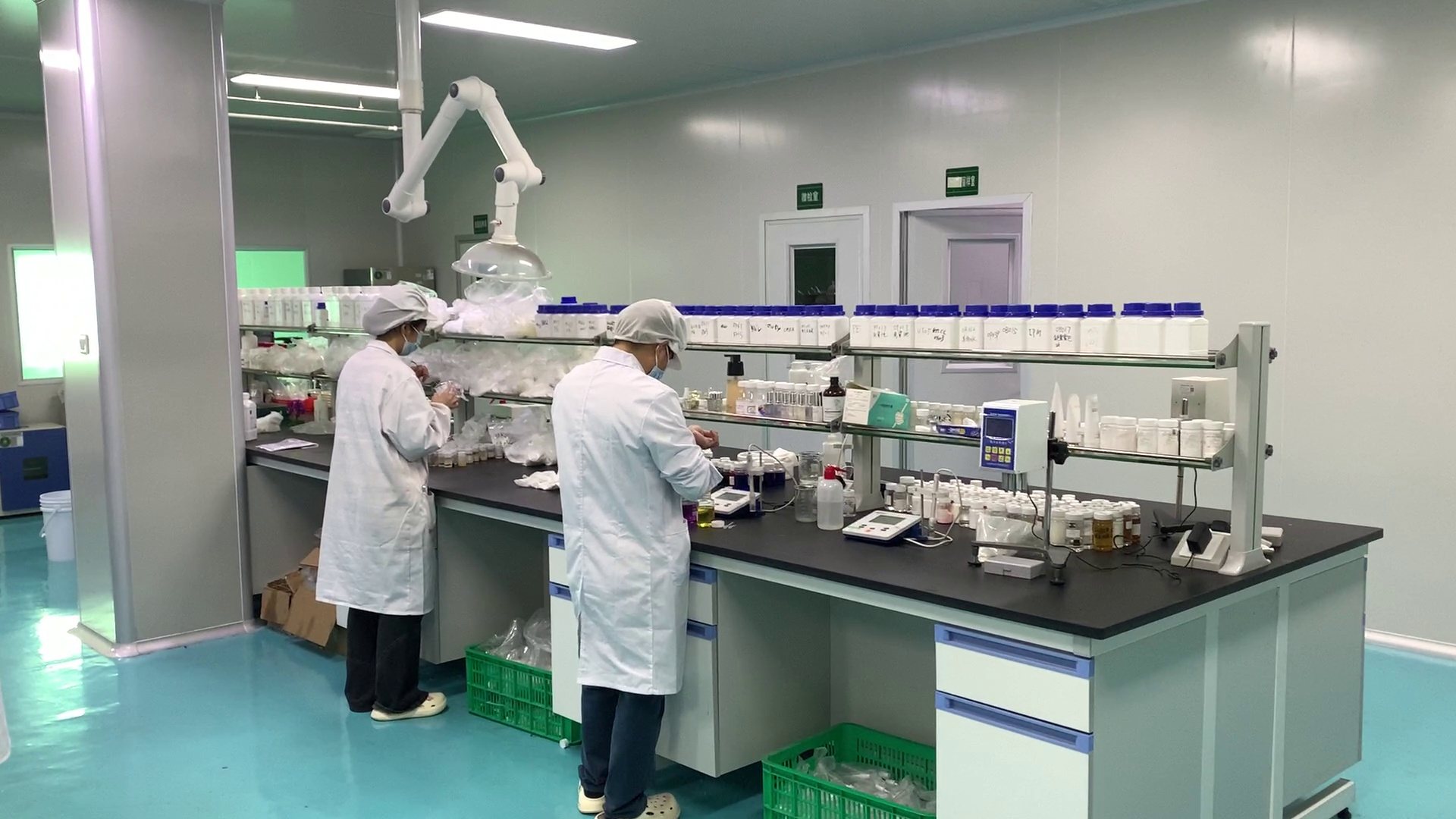
You need to review the texture, scent, color, absorption, after-feel, package function, label placement, and whether the product survives transport. If the product is going to the US, review the label information and claims before bulk production, not after.
The sample stage is where changes are cheapest. Once packaging is printed and production starts, every late change becomes a cost, delay, or compromise.
I ask brands to approve the product and the packaging together. A formula can feel right in a jar and feel different through a pump, tube, or airless bottle. The package is part of the product experience.
5. How long does production take?
For a ready private label formula, production is usually around 15 days. A custom formula is usually closer to 25 days.
Those figures do not include sample approval, label development, packaging lead time, or shipping.
Start from the date you want to launch and work backward:
- retail or campaign date
- shipping time
- production and packing time
- sampling and approval time
- packaging and label lead time
If the schedule only works when everything is perfect, it is not a schedule. It is a hope.
Where private label projects go wrong
Approving the formula but not the package
Packaging affects compatibility, leakage, dispensing, and the way the customer experiences the product. Treat it as part of development.
Assuming the factory carries all compliance responsibility
The factory can provide production records, formula documents, and label support. The brand still owns its claims, market positioning, and compliance decisions.
Launching too many SKUs at once
Every SKU adds sampling, packaging, labels, inventory, and cash tied up in stock. Start with one strong product, learn how it sells, then expand.
Approving from photos
A photo cannot show texture, scent, pump resistance, or package weight. Approve the physical sample.
One more practical issue: most skincare factories do not make their own packaging. We buy packaging from specialist suppliers, including for our own projects. That makes supplier reliability part of the production schedule. We care about packaging quality and payment timing because a late or inconsistent package can move the entire shipment date. The brand should ask how packaging lead time is controlled, not just who supplies the bottle.
The next step
Before asking for a private label quote, prepare five things:
- product type
- target customer and price range
- first-order quantity
- target launch date
- preferred packaging direction
With those five answers, the factory can recommend the right model and give you a sample and production plan that is closer to reality.
Tyler has worked in herbal skincare manufacturing since 2013. We can help you decide whether private label, OEM, or ODM is the better starting point, then build the sample, packaging, and production plan around that decision.
For the first-order planning view, read How to Launch a Skincare Brand With 500 Units and How to Compare Manufacturing Quotes.
 WhatsApp
 WeChat
Related reading
Tell us what you want to make.
Get a quote, request samples or book a short call — all in one form. Tell us your product idea, target market and estimated quantity.
Confidential by default · NDA available on request · Reply within one business day