
 By Tyler
·
3 min read ·
Product Development and Formulation
Before relying on preservative efficacy testing, identify the sample, method, acceptance criteria and formula version the report covers. A challenge test and routine microbial checks on a finished batch answer different questions. One does not replace the other. ISO 11930 addresses antimicrobial protection assessment; suitable specialists need to determine applicability and interpret the work for the actual product.
Ask exactly what the laboratory received
Connect the report’s sample name, formula version and submission information to the project. If only a trade name appears, add the internal sample identity.
Agree the method, standard edition and interpretation before submission. Discovering after printing that the report covers an earlier development version is avoidable.
A US centella lotion client wanted to change fragrance after sample approval and assumed it would not affect existing testing. I did not automatically demand a complete retest. R&D supplied the actual change and existing report to the responsible evaluator to assess the remaining coverage. The client approved the assessed version before arranging further work instead of assuming the old report covered the changed formula.
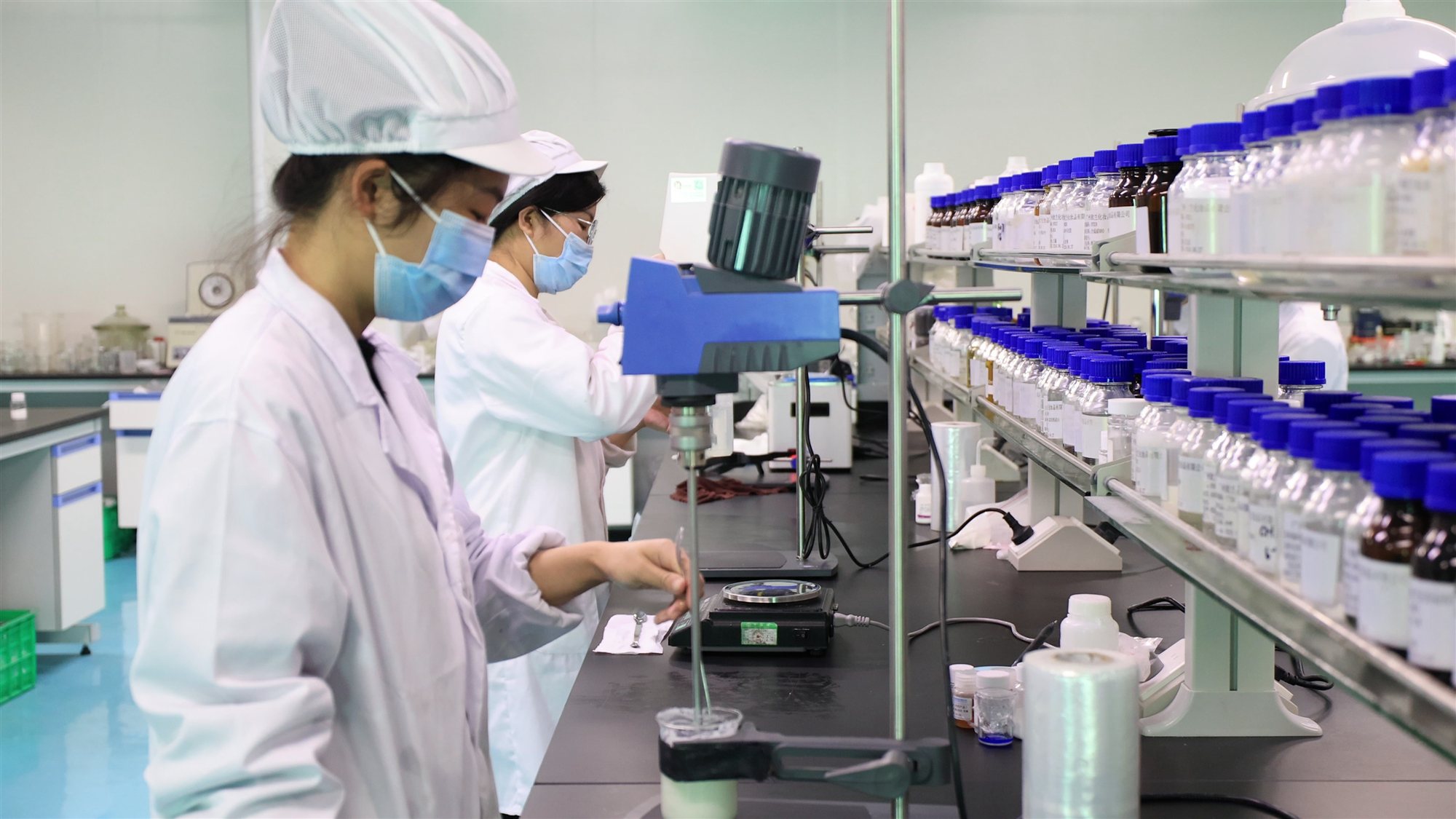
A pass does not cover every condition
The conclusion has method and condition limits. Packaging use, production hygiene and later changes still require management.
You need not recalculate every laboratory result yourself. Ask a qualified reviewer what the report answers and which issues need other evidence. One satisfactory routine microbial result does not establish adequate protection throughout use.
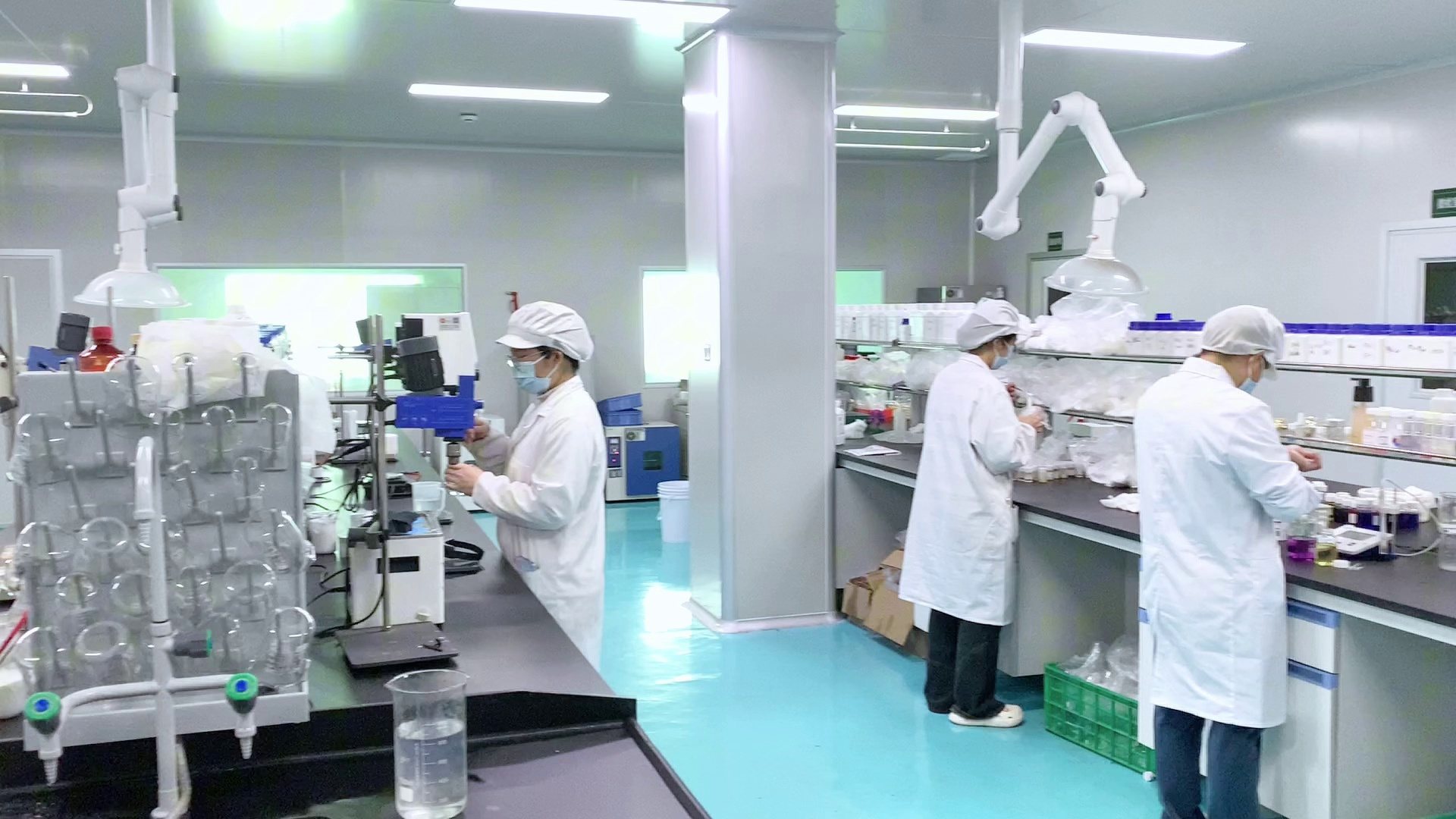
Reopen the assessment when the product changes
Record material-source, formula-system and container changes. Have the appropriate person decide what existing information still supports and whether additional work is needed.
Neither repeating everything mechanically nor ignoring every small change is a sound default. Retain the assessment and approval instead of reducing the discussion to another testing fee.
QC once showed me two submission files both called moisturizing cream. One concerned a development sample; the other covered a later adjustment. A salesperson was about to file them by trade name. QC requested sample numbers, and we checked the submission records rather than guessing from filenames. Each report went under the correct version, with the old report’s scope identified. The client could retrieve the right information without confusing the two products.
Keep a usable project confirmation record
| Check | Record |
|---|---|
| Sample | Formula version and submission identity |
| Method | Standard, conditions and acceptance basis |
| Scope | Covered and uncovered questions |
| Changes | Reassessment and approval |
FAQ
Does one test remove the need to review repeat orders?
No. Changes and continuing quality still need management. Additional assessment depends on the product, changes and applicable requirements.
Are all low-water products exempt from this work?
Do not decide from the product name. Have an appropriate person assess risk and applicability.
Move the project forward
Read our guides to preservative arrangements and batch COAs to distinguish the questions they address.
Discuss assessment and manufacturing handoff through Jogong Labs OEM/ODM services. For the team behind the work, see Tyler’s background.
 WhatsApp
 WeChat
Related reading
Tell us what you want to make.
Get a quote, request samples or book a short call — all in one form. Tell us your product idea, target market and estimated quantity.
Confidential by default · NDA available on request · Reply within one business day