
 By Tyler
·
3 min read ·
Cost, MOQ, Lead Time and Commercial Terms
Define the destination, delivery terms and cost endpoint before calculating imported skincare’s landed cost. Put factory charges, transport, duties, clearance and warehouse costs on the same sheet. Arrival at port, completed clearance and stock in a saleable warehouse are different endpoints. This guide gives no fixed tariff rate: confirm the actual goods, timing and import arrangements with the relevant customs or logistics professionals.
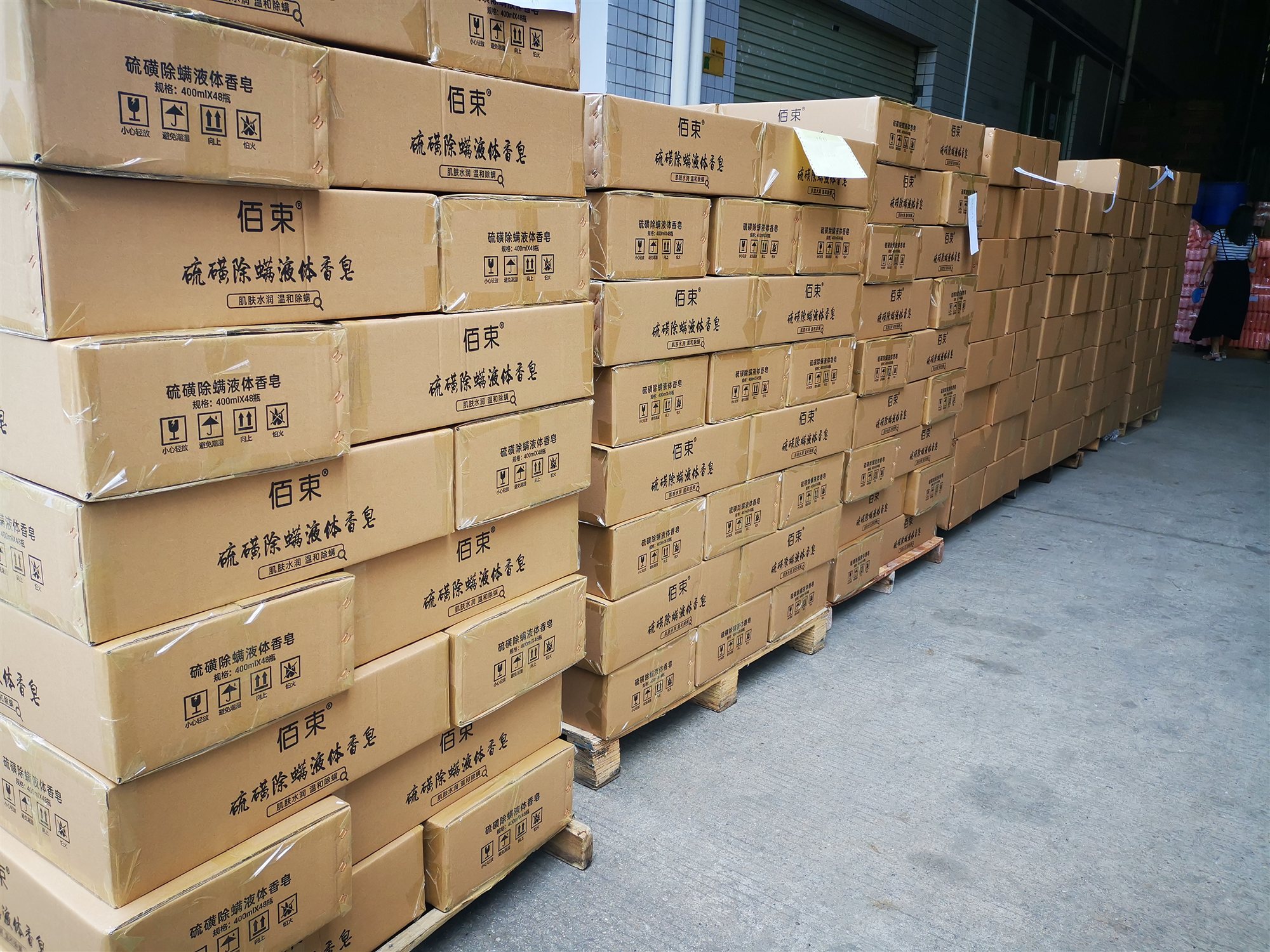
Use the same quantities and delivery scope
The unit price must describe the final SKU and pack. Do not compare a sample price, factory-gate price and door-to-door proposal as though they cover the same work.
State the named place and each party’s obligations instead of leaving a delivery-term abbreviation alone. Include warehouse appointments, labeling or pallet conditions where applicable, or costs may remain after arrival.
A US body-lotion client initially preferred the lower freight quote. I asked whether its endpoint was the port or his warehouse. The two proposals ended at different places. We added post-clearance transport, warehouse conditions and already-included charges to the same table and asked the logistics providers to explain scope. He chose on total warehouse-delivery cost rather than assuming the port price covered everything.

Separate confirmed amounts from estimates
Label confirmed factory charges, valid freight quotations, estimated duties and possible storage costs separately. Keep the quote date, currency, charging basis and payer with each line.
Commercial invoice information must remain consistent with the transaction. See CBP’s commercial invoice information. Do not change declared value or the goods description simply to obtain a lower calculation.
Compare options around the actual business decision
For air versus sea freight, consider the date stock becomes saleable, inventory gaps and cash committed alongside transport cost. Use equal quantities and identify assumptions. An estimate is not a promise.
Show total cash and the allocation per saleable unit, with unresolved items visible before payment.
A UK client calculating a serum-cream order saw lower freight cost per unit at a larger quantity and wanted to order more. We calculated the additional stock and payment pressure too. The product lacked sufficient sales history, so increasing quantity needed a reason beyond logistics allocation. He kept the smaller order and accepted a higher freight amount per unit. His cash was not entirely tied up in untested inventory.
Keep a usable project confirmation record
| Check | Record |
|---|---|
| Endpoint | Port, cleared goods or warehouse |
| Scope | Delivery terms and named place |
| Charges | Currency, basis, date and payer |
| Uncertainty | Estimated items and quote validity |
FAQ
Can one tariff rate estimate every skincare product accurately?
No. Verify classification, origin, import date and applicable measures for the actual product.
Does DDP always mean there can be no extra charges?
Read the contractual scope, import arrangements and exceptions. The abbreviation alone is not a complete guarantee.
Move the project forward
Use our guides to shipping cosmetics from China and US tariffs on skincare to define the questions for your providers.
Discuss manufacturing and delivery scope through Jogong Labs OEM/ODM services. For the company behind the work, see Tyler’s background.
 WhatsApp
 WeChat
Related reading
Tell us what you want to make.
Get a quote, request samples or book a short call — all in one form. Tell us your product idea, target market and estimated quantity.
Confidential by default · NDA available on request · Reply within one business day