
 By Tyler
·
10 min read ·
Launch, Retail Readiness and Scaling
Scaling skincare production from 500 to 5,000 units means checking batch size, material supply, packaging, quality controls and inventory before placing the larger order. Keep the approved product specifications clear. Ask the factory whether it will use different equipment, divide the order into batches, or change purchasing arrangements. A larger quantity may reduce some costs, but it also increases the total cash committed and the stock you need to sell.
The most useful question is: “What will change compared with our last order, and which product standards will stay the same?” Get that answer before comparing unit prices or delivery dates.
If you are still preparing your first order, start with launching a skincare brand with 500 units. This guide focuses on expanding an existing product order.
From 500 to 5,000 Units: What Needs a New Check?
Take out the information approved for the previous order and compare it with the new production plan.
| Area | What the buyer should confirm |
|---|---|
| Formula and raw materials | Is the version unchanged? Have suppliers, grades or specifications changed? |
| Batches and equipment | Will it be one batch or several? Are equipment or key processing conditions changing? |
| Packaging and printing | Can the same approved version be supplied? Will purchasing create surplus components? |
| Quality and release | How will each batch be identified and accepted? Who approves changes and handles deviations? |
| Price and lead time | Which cost lines change? Which materials or approvals determine the schedule? |
| Inventory and cash | How long will 5,000 units take to sell at a realistic sales rate? |
You do not need to know every technical detail inside the factory. You do need to establish whether you are only increasing quantity or also changing the formula, packaging or product target.
Translate Units Into Bulk Quantity and Batches
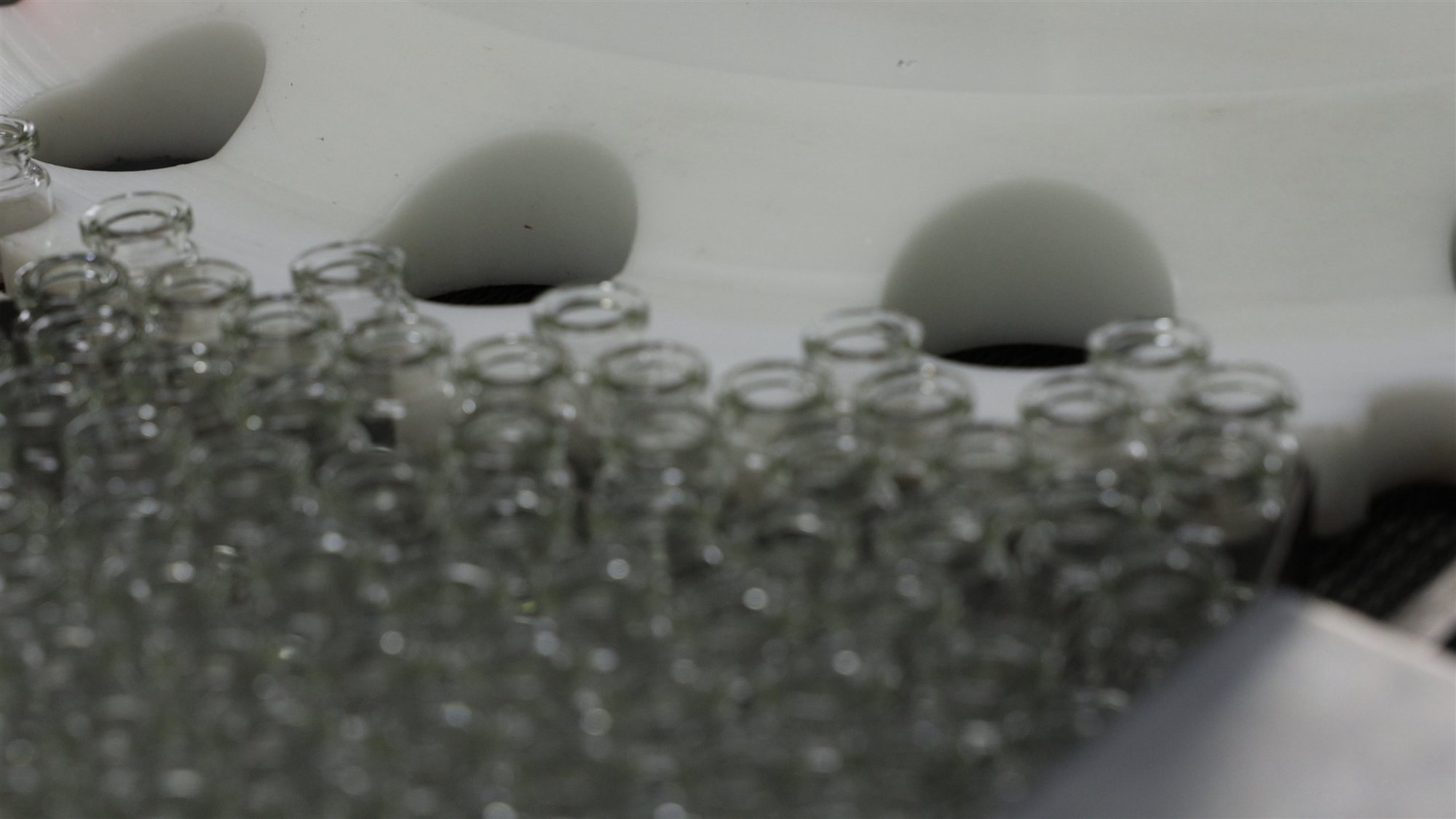
Unit counts make orders easy to compare. Production preparation also depends on the fill quantity and batch plan.
For a simple illustration, 500 bottles containing 50 mL each represent 25 L of theoretical filling volume. At 5,000 bottles, that becomes 250 L. These are arithmetic examples, before the agreed filling requirements and processing losses are considered. If the formula is managed by weight, the actual product density is also needed for conversion.
Ask the factory whether the bulk will be manufactured as one batch or several. How will each batch be traced, and which batch codes will appear in the shipment?
Those answers matter for records, retained samples and any later investigation. One purchase order for 5,000 bottles does not necessarily mean one bulk batch.
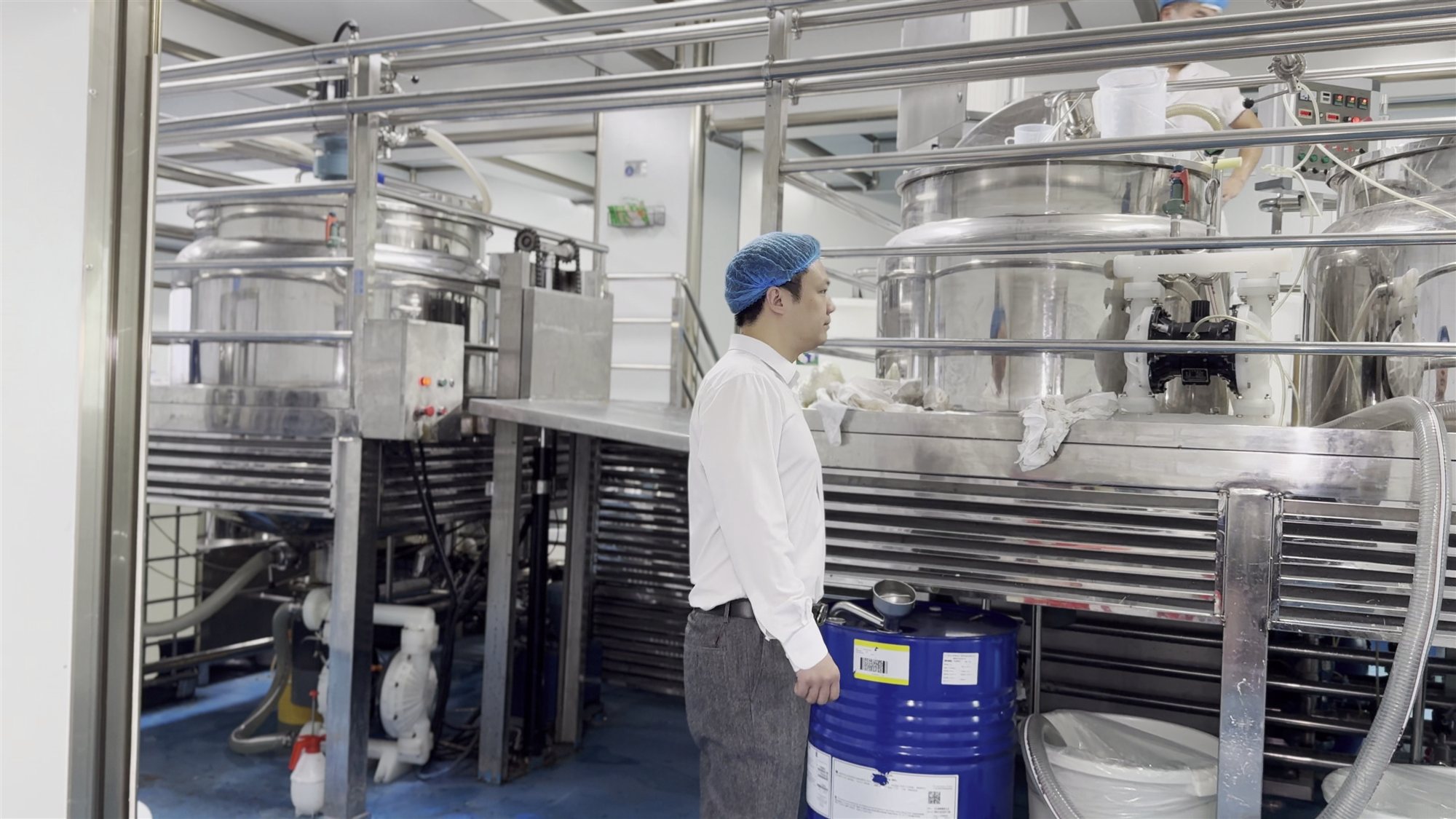
Where the factory already makes the product using the same equipment and an established process, the changes may be limited. If it needs different equipment, a different batch size or a revised process arrangement, ask how it will confirm the result.
Keep the Product Standard Clear
Your customers will notice if the appearance, fragrance, skin feel or product performance changes. Start with the agreed formula version, approved samples and quality specifications as the reference.
Then ask the factory to list the production conditions it intends to change. Equipment, operating arrangements and raw material batches should be considered in its assessment. The formula, process and proposed changes determine the checks required.
Avoid recording every important condition as “same as last time.” Identify what has been checked as unchanged, what will change, who must approve it, and how the result will be assessed.
If production-scale confirmation is needed, find out what it means for samples, timing and delivery milestones. Our cosmetics pilot run guide explains the purpose of that stage.
A Packaging Delay We Have Seen
We have handled an increase from 500 to 5,000 units where the first point to check was packaging availability. On one order, the bottles had arrived but the pumps and labels had not. The production line could not start as planned.
That is why the arrival dates for bottles, pumps, caps, labels and cartons need to be checked separately. We schedule the line once the required components are ready. If the order involves different equipment or separate batches, we also explain which product standards stay fixed and which production conditions need confirmation. Where necessary, we make a small batch for comparison first.
Projects where the client buys components separately and we coordinate their arrival are now less common for us. Most clients ask us to arrange the packaging, bottles and bulk product together. Coordinating those purchases reduces the time the client spends communicating between suppliers.
Confirm Material and Packaging Supply Separately
Check that key raw materials can be supplied to the approved specifications. The same ingredient name is not enough to establish that a new supply specification has been accepted. If purchasing proposes a substitute, discuss the difference and the assessment needed before agreeing.
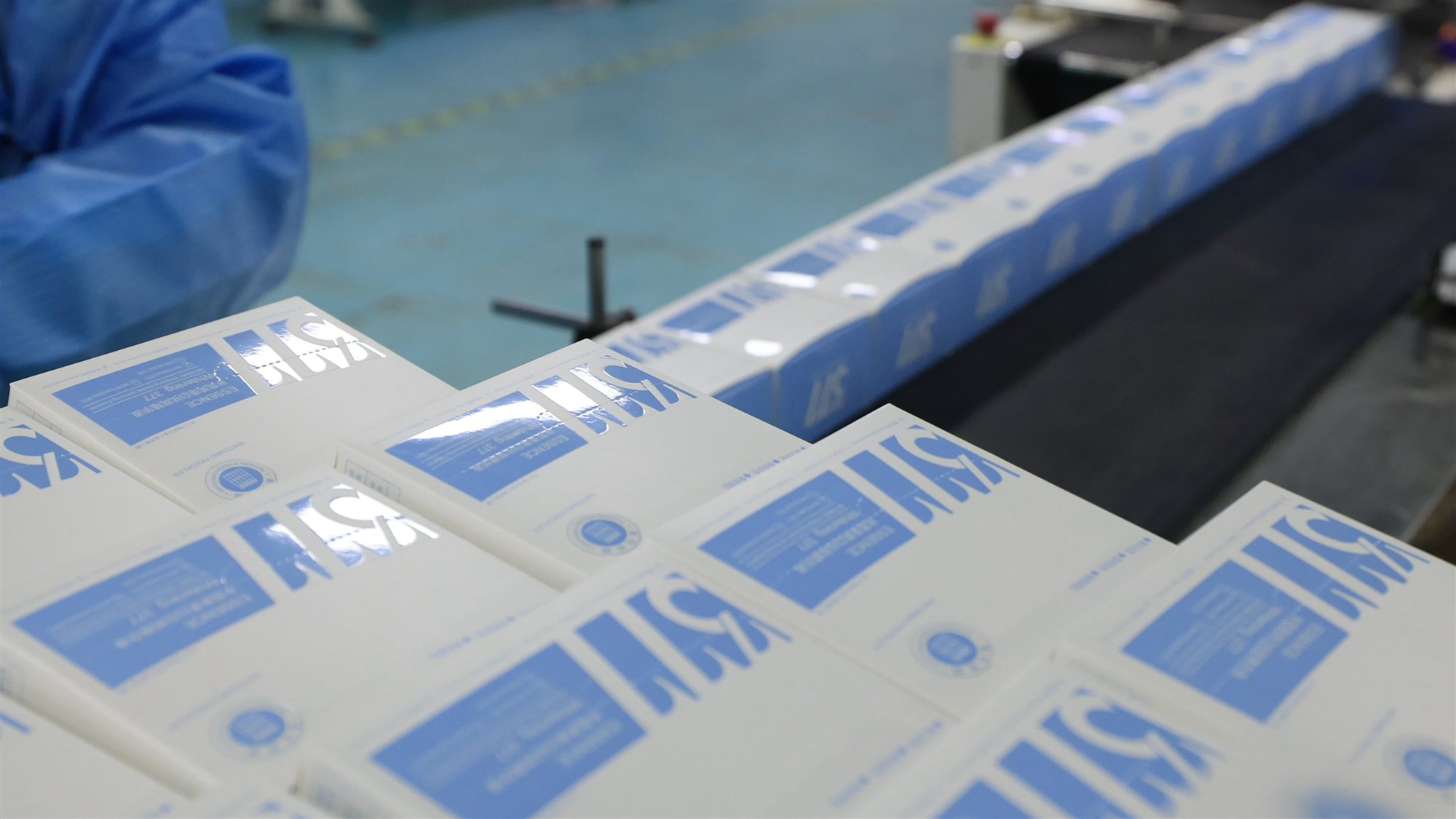
Packaging needs the same attention. The first order may have used stock bottles. A larger order may involve a different purchasing quantity, printing process or delivery schedule. Establish those conditions before deciding whether to change the packaging.
When the bottle, pump, closure, label and carton come from different suppliers, confirming the bottle delivery date alone leaves the schedule incomplete.
Also distinguish the finished-product quantity from the component purchase quantity. An order for 5,000 finished products may involve buying more than 5,000 of a customized component. The quotation should identify the surplus quantity, who owns it, how it will be stored, and how it will be used on a later order.
Otherwise, a lower unit price may arrive with an additional inventory commitment you did not include in the budget.
If you are still testing demand, consider keeping established packaging while sales become more predictable. You can assess more complex customization as a separate decision, with fewer variables changing at once.
Ask Which Cost Lines Actually Fall
A larger order can spread certain setup costs over more finished products. Purchasing conditions may change too. Whether costs fall, and by how much, depends on the product and the supplier’s terms.
Here is a calculation to explain fixed-cost allocation. Assume a setup charge of $300. Spread across 500 units, it adds $0.60 per unit. Across 5,000 units, it adds $0.06 per unit. The $300 is an illustration, not a Jogong Labs quotation.
The formula and packaging used in each unit still have a cost. Testing, transport and other necessary work do not disappear as quantities rise. A tenfold increase in volume does not establish a standard discount.
Compare quotations on the same basis:
- Formula version and net contents.
- Packaging, printing and shipping cartons included.
- Testing, sampling, tooling and other one-time charges listed separately.
- Responsibility for surplus raw materials and packaging components.
- Factory pricing separated from transport to the destination.
Our guide to what drives skincare unit cost explains those categories in more detail.
What Changes in Our Own Purchasing Experience
At our factory, moving from 500 to 5,000 units mainly spreads the fixed preparation work across more products. That includes machine setup, line clearance and first-piece checks. A continuous production schedule with fewer changeovers can also improve efficiency.
Purchasing quantities sometimes bring different quotations. However, the actual formula and packaging used, testing and retained samples, filling losses, warehousing and transport still need to be accounted for. Do not assume tooling or printing-plate charges will fall. Buying additional components may instead tie up more cash in inventory.
In our purchasing experience, meaningful price reductions for bottles and similar packaging components are usually difficult to obtain until the quantity exceeds 100,000 units per SKU. That is why a move from 500 to 5,000 units should be assessed line by line, rather than treated as a large discount across every part of the order.
Separate Production Speed From Order Lead Time
Buyers sometimes ask why an order takes time when the factory can produce many units in a day.
Peak output describes capacity under particular conditions. An individual order also depends on raw materials, complete packaging, line scheduling, checks and shipment preparation. Dividing an order quantity by a peak daily output figure does not establish its delivery date.
Jogong Labs has 12 production lines. That is useful background when assessing production capability. The delivery date for your order still needs to be agreed around the materials, approvals and scheduling available for that project.
Ask for separate milestones: when materials will be ready, the latest date for your approvals, when production can be scheduled, which checks precede shipment, and when the goods can be handed to the carrier.
If a key milestone is unresolved, record it as a condition still to be confirmed. That gives your sales team a more useful basis for planning a promotion than an unexplained shipping date.
Keep Quality Records Connected to Each Batch
Identify the formula, packaging and accepted sample versions for the order. Agree on the specifications, check plan and deviation-handling process before production starts.
For an order made in several batches, the records should connect the bulk, filling and finished goods for each batch. Quality documents need to help you assess the goods actually delivered.
The FDA cosmetics GMP inspection checklist discusses production records and laboratory controls. It is useful background for understanding their purpose; the actual checks should be selected for the product.
To understand a supplier’s quality-management background, read what buyers should verify about GMP and ISO 22716. Then ask which records will be available for this order.
Check the Inventory Commitment Before Ordering
Use sales data when deciding how far to increase quantity. Break “the last order sold well” into regular sales, promotional sales, returns and inventory still on hand.
For illustration, a product selling steadily at 500 units a month would take ten months to sell 5,000 units. That calculation excludes changes in demand, returns and promotions. A brand with a higher established monthly sales rate would make a different assessment.
Consider the sales period, shipping time, remaining shelf life, storage conditions and marketing budget together. A lower unit price does not automatically make a larger order the right use of your cash.
If you want staggered deliveries, ask whether the factory will produce the full quantity first and store it, or manufacture separate batches. Those arrangements affect product age, storage, cost and payment timing. Write the agreed arrangement into the order confirmation.
Frequently Asked Questions
Does increasing from 500 to 5,000 units require a new formula?
Increasing quantity alone does not require a change to an approved formula. The factory should assess the actual production conditions. If it proposes a material or formula change, it should explain the reason and confirmation plan and obtain the brand’s approval.
Is another pilot run always necessary?
It depends on the product’s manufacturing history and changes to equipment, batch size, materials or packaging. Ask the factory to explain the risks and proposed checks. The unit count alone does not determine the answer.
Will 5,000 units be much cheaper than 500?
Some costs may be spread more efficiently, and purchasing prices may differ. Formula, packaging and quotation scope affect the result. Compare the same specifications and included services before judging the saving.
Can I order 5,000 units and ship them in smaller deliveries?
Discuss it with the factory. Establish whether production will also be split, and agree on storage, product age, payment and responsibilities before deciding whether the arrangement fits your inventory needs.
Use the Previous Order to Plan the Larger One
Send the factory the accepted sample version, formula and packaging specifications, intended quantity, target delivery date and sales plan. Ask it to identify the changes that need confirmation. You will be better placed to assess whether the quotation and schedule reflect the actual project.
You can share those details through our OEM and ODM services. Establish the changes and the checks first, then agree on how the larger order will be manufactured and delivered.
 WhatsApp
 WeChat
Related reading
Tell us what you want to make.
Get a quote, request samples or book a short call — all in one form. Tell us your product idea, target market and estimated quantity.
Confidential by default · NDA available on request · Reply within one business day