

 By Tyler
·
7 min read ·
Product Development and Formulation
By Tyler
·
7 min read ·
Product Development and Formulation
Most custom skincare formulas should plan for two to four sample rounds. The number itself is not the goal. What matters is whether each round answers a clear question and moves the project closer to a formula that can be produced, packaged, and sold.
A brand that only asks, “How many more rounds?” can turn sampling into a series of personal preferences. A brand that defines the target, gives organized feedback, and confirms the decision at each stage usually needs fewer rounds and less time.
This guide explains why samples repeat, what each round should solve, what makes a project take longer, and how to know when the formula is ready to stop.
Why Most Formulas Need 2 to 4 Sample Rounds
A new skincare formula rarely meets every goal in the first sample. Texture, stability, packaging compatibility, cost, and production scale all have to work together. The first sample is usually a direction check, not the final version.
Projects that modify an existing formula, change only fragrance or color, or use proven packaging may need one or two rounds. New formulas with several active ingredients, natural preservation, unusual texture, or new packaging can take three to five rounds.
The number of rounds should not be treated as a fixed line in a quotation. A factory can estimate the likely range, but the project should move based on the actual feedback and test results.
Why the First Sample Is Rarely Final
The first sample usually reveals four kinds of issues:
- Sensory issues: rub-in feel, absorption, viscosity, oiliness, pilling, and fragrance strength.
- Formula issues: pH, active compatibility, preservation, emulsion stability, and color change.
- Packaging issues: whether the formula works with a pump, dropper, tube, or airless bottle, and whether it leaks or clings to the package.
- Production issues: whether a formula that looks good in a small batch still works in the emulsion tank, filling line, and production order.
These issues rarely appear at the same time. Some need stability testing. Some need the actual package. Some only become visible during a pilot run.
What Each Sample Round Should Solve
Round 1: Confirm the Direction
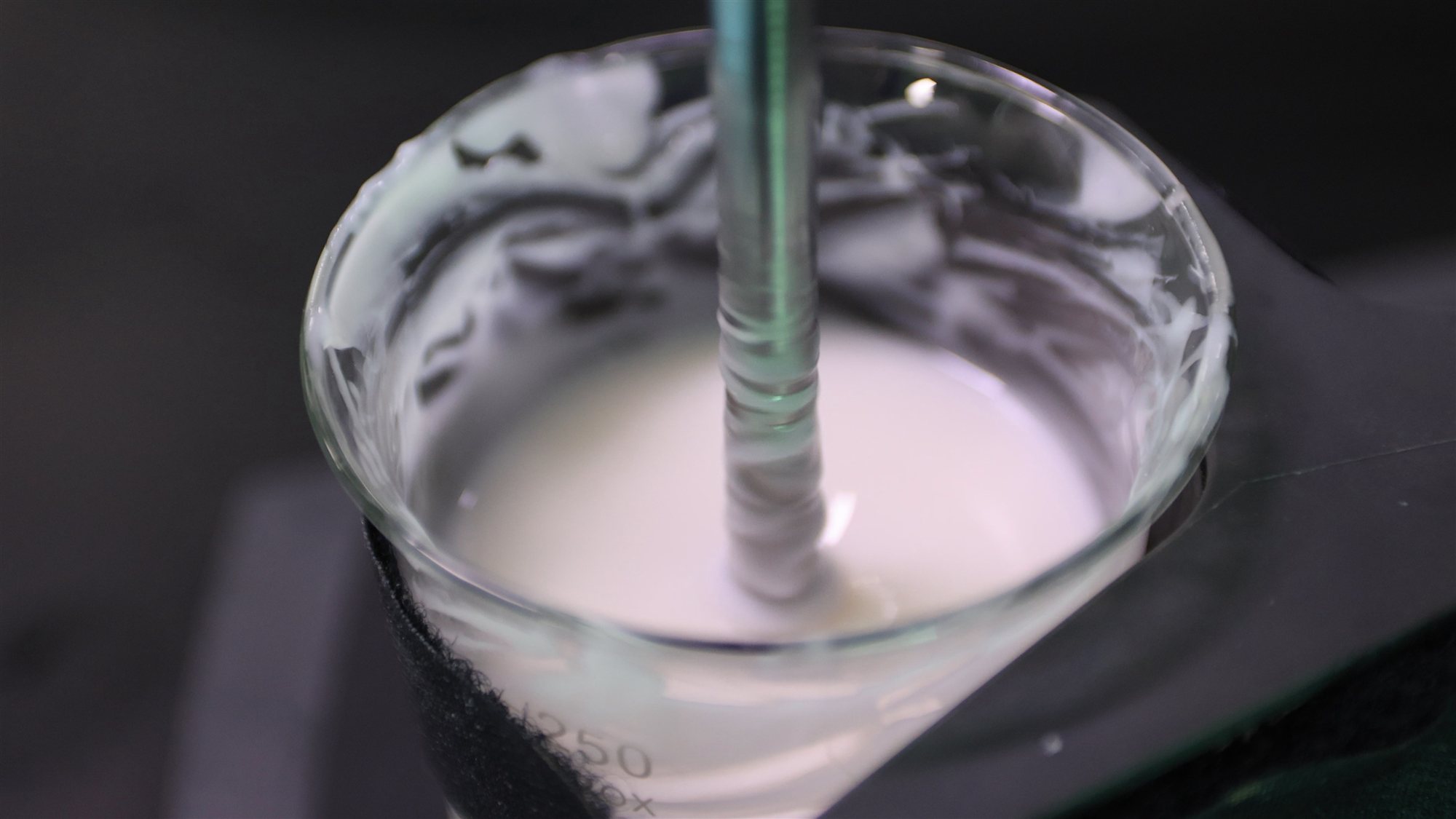
The first round is mainly about direction. The client should confirm the texture, skin feel, fragrance, color, and use experience, then explain what they like and what they cannot accept. This is not the time to demand a final formula, and it is not the time to send a long list of mixed comments.
Round 2: Adjust the Key Parameters
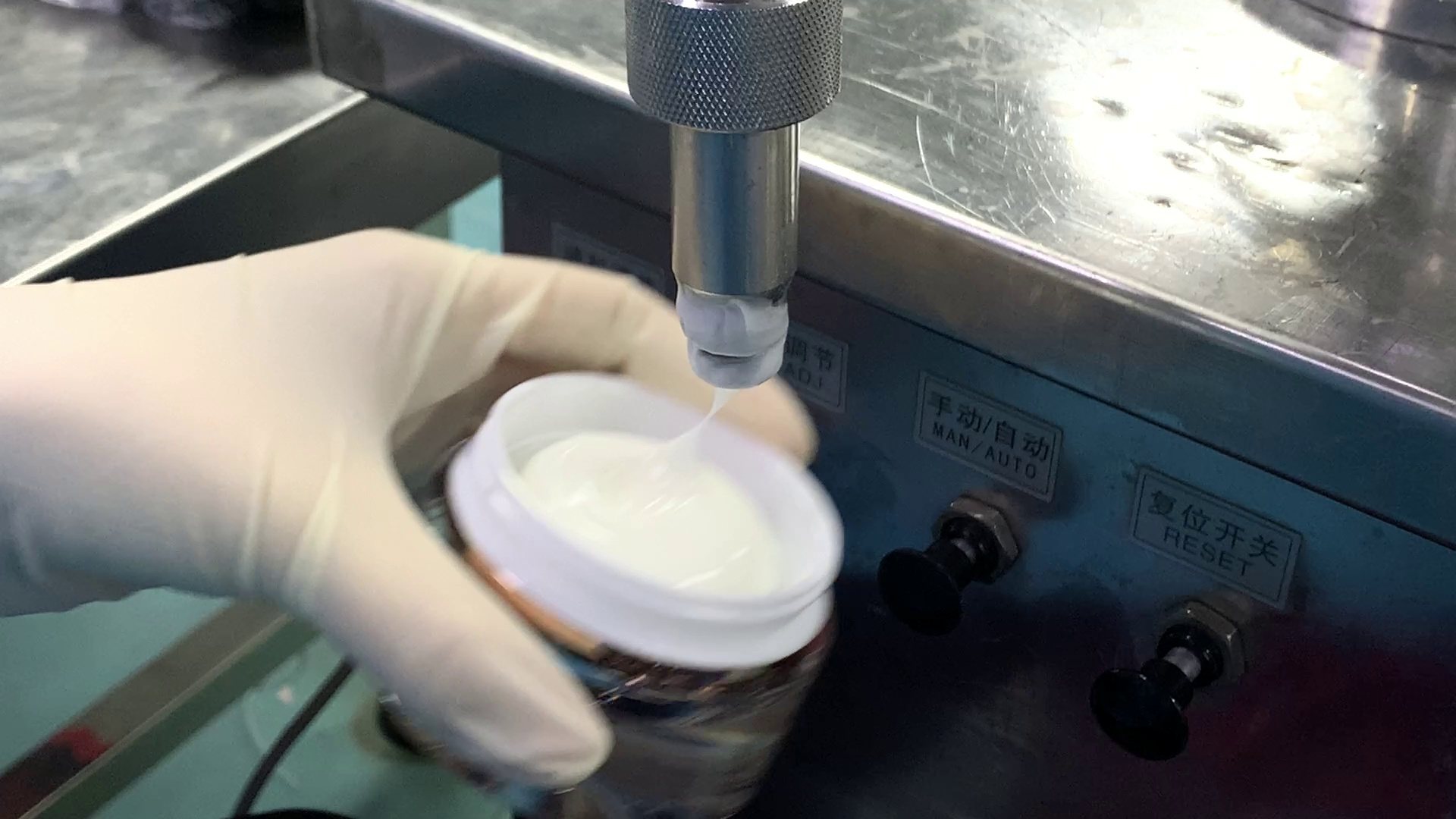
The second round usually adjusts the active level, thickener, emulsifier, humectant, pH, preservation system, and fragrance. The client should separate “must change” from “personal preference.” Otherwise, the formula will swing back and forth between different opinions.
Round 3: Confirm Stability and Compatibility
By the third round, the formula is often close to the target. The focus moves to stability, packaging compatibility, and the user experience. This stage needs more testing time and cannot be judged only by a quick look or a short trial.
Later Rounds: Finish and Validate
If several goals still do not fit together, the project may move into a fourth or fifth round. Later rounds should solve specific problems, not restart the direction. The final version should pass formula, packaging, stability, and production-scale validation.
A Real Project: Aligning the Brief First
An Australian client wanted to develop a vitamin C serum. Before the laboratory started, we listed the real requirements, including the ingredient direction, texture, color, fragrance, and target consumer, and asked the client to confirm each item.
Once the brief was aligned, the sample was usually ready within seven days. After the client confirmed the sample, shipment could be arranged in about 15 days.
The point is not the speed by itself. The point is that clear communication reduced unnecessary revisions. If the brand and the formulator understand the target differently, a faster sample only helps the project move in the wrong direction faster.
What Increases the Number of Rounds
- A completely new formula instead of a small change to a proven base
- Several efficacy, texture, and fragrance goals at the same time
- A natural preservation system or a high percentage of botanical extracts
- Compatibility testing between active ingredients and packaging
- A low target cost with high formula requirements
- A brand that changes the core direction in every round
- Feedback such as “it feels wrong” without a clear description or priority
More rounds do not automatically mean the factory is doing a poor job. They often mean the project has more variables or the brand is still defining the target during sampling.
How to Avoid Wasted Sample Rounds
Before sampling, the brand and the formulator should agree on the real need: Who is the consumer? What problem are they trying to solve? Once that direction is clear, color, fragrance, and texture are details to refine.
The most common cause of an extra round is not a difficult formula. It is a brand treating personal preference as market demand. A client may keep changing fragrance, color, or skin feel without explaining what the target consumer actually needs. The factory can only test one personal preference after another.
A better process is:
- Write a clear product brief: product type, target skin feel, active direction, packaging, price range, and target market.
- Provide a reference sample when possible. A physical sample is more useful than saying “like that product, but lighter.”
- Send one organized feedback sheet per round. Mark each item as must change, optional, or do not change.
- Include testing and feedback time in the project schedule. Sampling is not only the few days in the laboratory. It also includes stability testing, packaging samples, and client trials.
Tyler’s R&D team usually moves custom formulation through formula development, sample revision, stability and packaging confirmation, and pilot preparation. The project timeline is often around 25 days, depending on the number of rounds and how quickly raw materials and packaging are confirmed. One fixed number does not fit every project.
When to Stop Sampling
Sampling should stop when the formula meets the requirements, not when the client says it is “close enough.” The decision should include:
- The formula meets the core goals in the product brief.
- Texture, fragrance, and appearance are confirmed.
- Stability testing meets the project requirements.
- The actual packaging has been tested with the formula.
- Key raw materials and the production process can scale consistently.
- Label, claims, and regulatory information do not leave a high-risk issue open.
- Both sides confirm the final version, version number, and change record.
If those questions are still open, one more round is usually cheaper than moving into production with an unresolved risk.
Conclusion
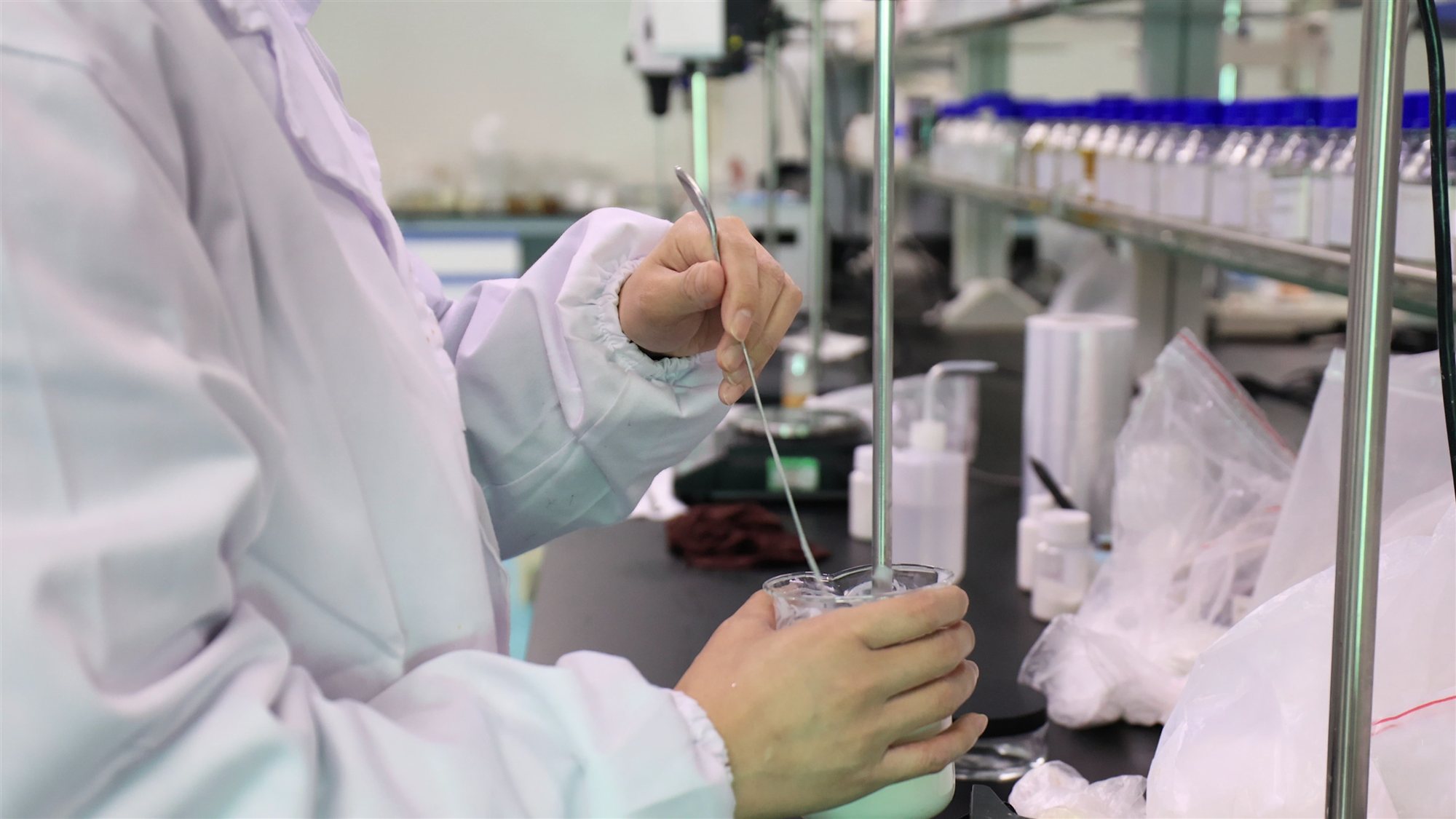
A custom formula usually needs more than one sample. Planning for two to four rounds is more realistic than expecting one perfect sample. The important part is not the number of rounds, but whether each round reduces risk and narrows the difference.
The earlier a brand provides a clear brief, a reference sample, and organized feedback, the easier it is for the factory to move from guessing what the client wants to running a documented development process.
If you are preparing a custom skincare, body care, or haircare project, send us your product brief. We will review the formula direction, sample rounds, packaging, and production plan with you.
 WhatsApp
 WeChat
Related reading
Tell us what you want to make.
Get a quote, request samples or book a short call — all in one form. Tell us your product idea, target market and estimated quantity.
Confidential by default · NDA available on request · Reply within one business day