

 By Tyler
·
5 min read ·
Private Label, OEM and ODM Models
By Tyler
·
5 min read ·
Private Label, OEM and ODM Models
The difference between white label and private label is not only whether your logo appears on the package. The real questions are who owns the formula, how many brands can use it, and how much control your brand has over the final product.
Here is the practical split:
- White label: one established product is sold to multiple brands, usually with different logos and labels.
- Private label: the factory already has the formula, but the brand can shape the package, specifications, and market direction.
- Contract manufacturing, OEM, and ODM: production is built around the brand’s requirements. The formula may come from the brand or be developed with the factory, so the level of exclusivity is higher.
The right choice depends on what you are trying to build. Three questions make that clearer.
1. Can the same formula be sold to other brands?
A white label product is usually designed to serve many brands. The core product stays similar while the label and sometimes the outer package change. This is fast and efficient, but it also means your product can look and perform like many others on the market.
Private label gives the brand more room to choose the formula, packaging, size, and positioning. It may still begin with a factory’s proven base, but the final product is shaped around the brand’s needs.
If you need a formula that only your brand can sell, move toward ODM or custom formulation. It costs more and takes longer, but it creates a stronger product asset.
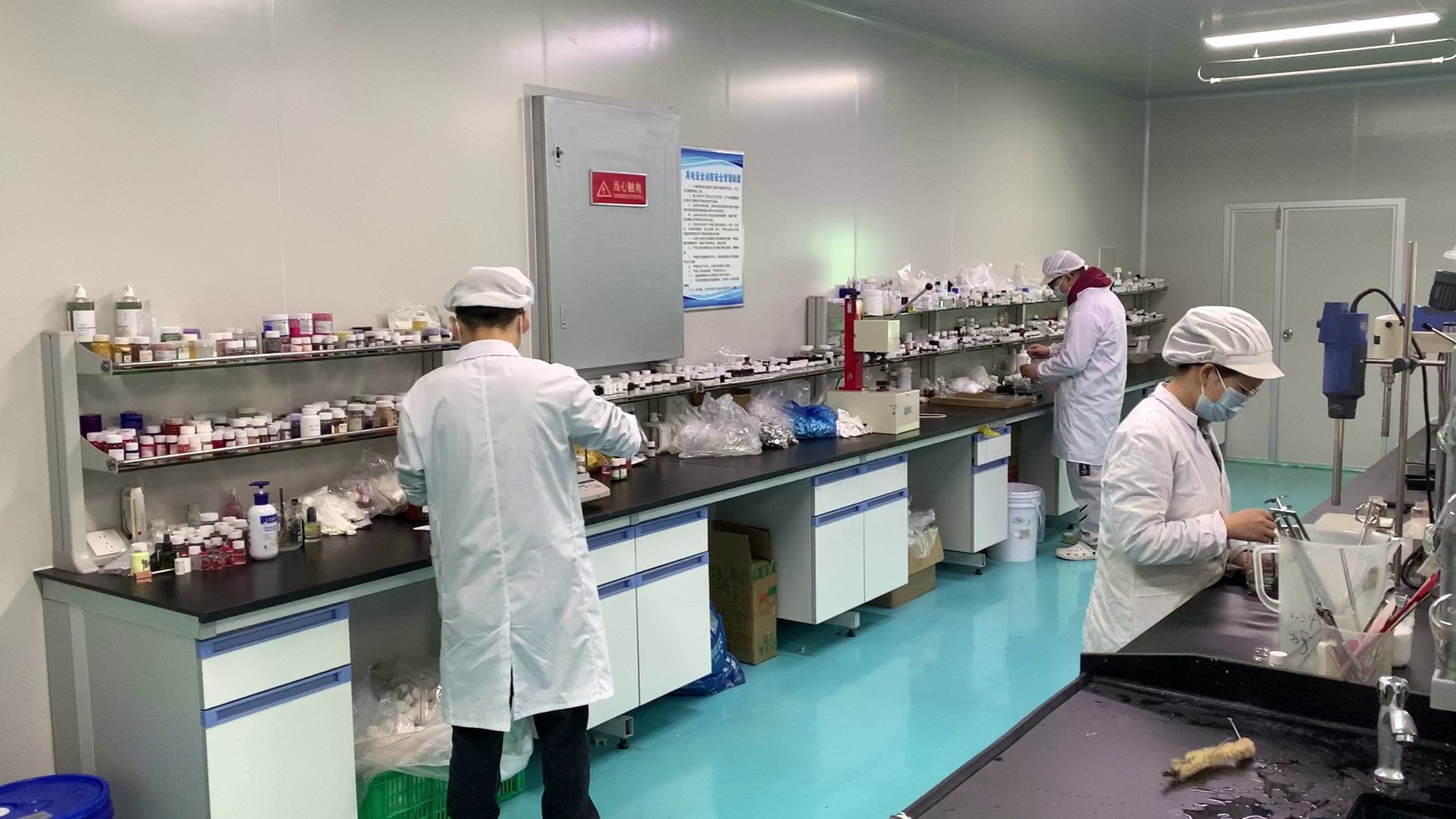
One Australian client had a family connection to tea tree farming. He wanted a tea tree cleanser. Instead of using the standard tea tree formula as it was, we asked him to send his tea tree extract. We kept the proven base and replaced the tea tree ingredient with his material. That turned a standard starting point into a formula tied to his own supply and story.
That is the important distinction: private label can start from a proven formula, while custom work can make the formula more specific to the brand.
2. Who controls the formula, label, and compliance?
White label
The factory provides a standard formula and usually a defined packaging range. The brand focuses on its logo, sales channel, and pricing.
Private label
The factory provides an existing formula base, while the brand takes part in packaging, size, label, and positioning decisions. The brand still owns the final market responsibility.
OEM, ODM, or contract manufacturing
- OEM: the brand supplies the formula or detailed requirements.
- ODM: the factory helps create or adapt a formula around the brand’s brief.
- Contract manufacturing: a broad term for manufacturing built to a brand’s contract.
The factory can prepare production records, formula documents, and label information. It cannot make the brand’s commercial and regulatory decisions disappear.
For the US market, the brand needs to understand its label, claims, and product responsibility. The manufacturing model changes the workflow; it does not remove the brand’s role.
3. What are you optimizing for: speed, cost, or differentiation?
If speed and a lower starting cost matter most, white label or private label may be the right first step.
If differentiation matters most, ODM or a custom formula gives more control, but it also adds development time, sampling, and testing.
Our standard MOQ is 500 units per SKU. Ready private label formulas usually take around 15 days to produce. Custom formulas usually take around 25 days. Those timelines do not include samples, labels, packaging, or shipping.
The real question is:
> Can this model give me a product I am willing to sell for more than one season?
A cheap first order that creates no brand value is not a bargain. An expensive custom formula that launches late is not automatically a better strategy either.
Three questions to ask the factory
- Is this formula exclusive to me, or can it be sold to other brands?
- Which parts can I change: formula, packaging, size, label, or all of them?
- Who owns each step and each deadline from sample approval to shipment?
Ask these before comparing prices. A quote is only meaningful when you know what is included and what level of control you are buying.
White label, private label, and ODM are not ranks. They are different ways to divide risk and control between the brand and the factory. Choose the one that matches the stage of your business, not the one that sounds most impressive.
Tyler’s R&D team can help you compare the three models against your target market, budget, and launch date, then recommend the sample and packaging path that fits the product you actually need.
For a deeper private label definition, read What Is Private Label Skincare?. For quote comparison, read How to Compare Manufacturing Quotes.
 WhatsApp
 WeChat
Related reading
Tell us what you want to make.
Get a quote, request samples or book a short call — all in one form. Tell us your product idea, target market and estimated quantity.
Confidential by default · NDA available on request · Reply within one business day