
 By Tyler
·
3 min read ·
Product Development and Formulation
Consistent herbal skincare starts with controlling the material behind the botanical name. Extracts with the same name may differ in specification, carrier and appearance. Define raw material identity, acceptable finished-product variation and the change procedure before focusing on natural positioning. Expecting identical batches while refusing to define specifications leaves both the factory and buyer without a usable standard.
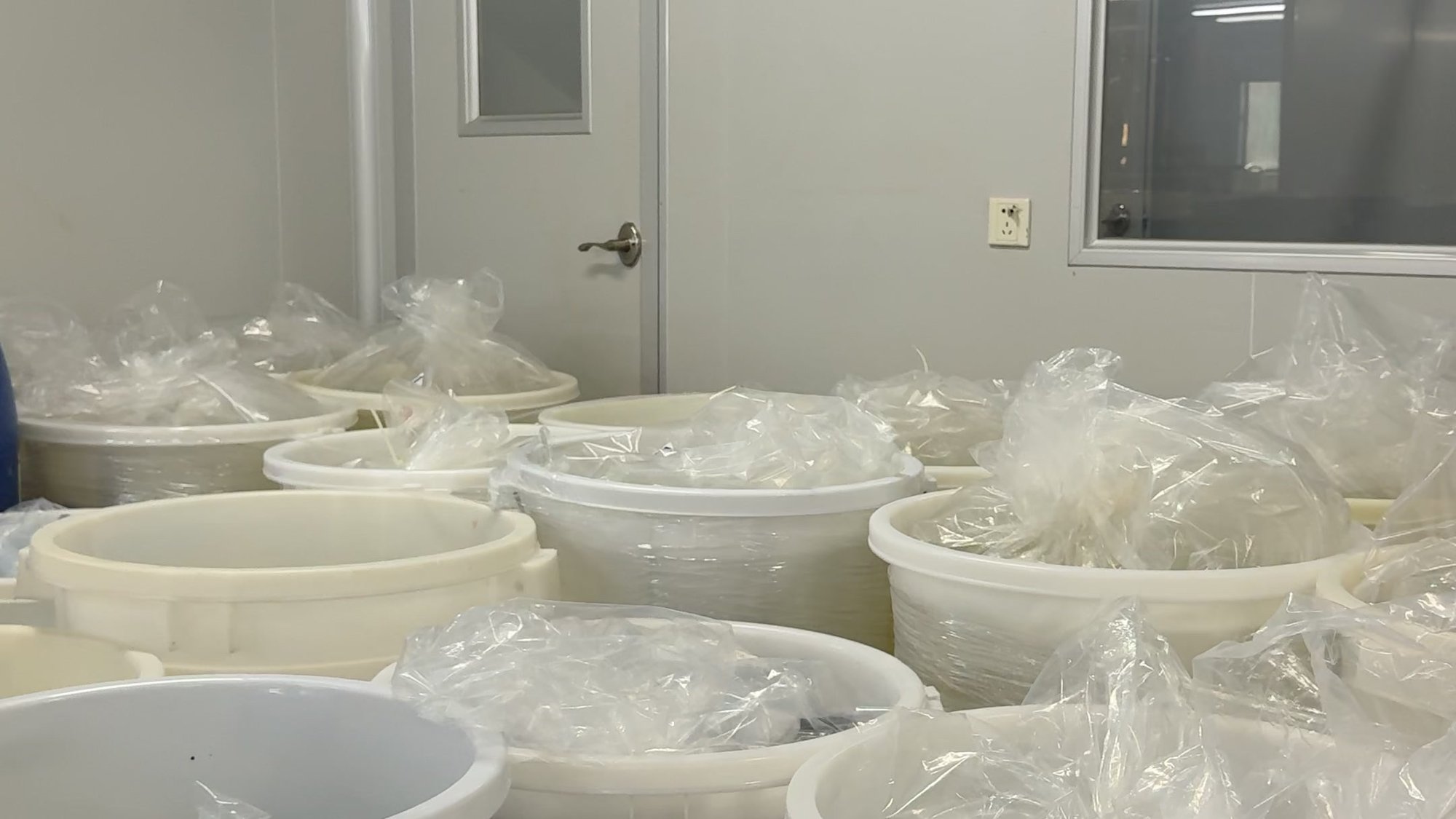
Specify the material precisely enough to buy it again
Centella, green tea and ginseng are starting points for discussion. Ask R&D to record the actual purchasing specification, carrier, source and acceptance requirements. A label ingredient name is not a raw material specification.
Before replacing a supplier, identify what changes, who assesses it and which finished-product observations need reviewing. Purchasing should not interpret matching names as automatic substitution permission.
A US client sampling a licorice moisturizing lotion preferred the darker bottle because he assumed it contained more botanical material. I showed him the corresponding material records and explained that appearance could not be converted directly into an addition rate. R&D recorded his desired feel separately from the visual target. He selected by use experience and agreed a separate color range, rather than using darkness to decide which formula to buy.
Discuss acceptable variation during sampling
Review color, odor, clarity and feel before production. Record an agreed range; a phone photograph alone is a poor substitute for a standard.
Natural-source variation does not explain every abnormality. Investigate results outside the range. The buyer should also understand the chosen appearance target and how the factory proposes to maintain it.
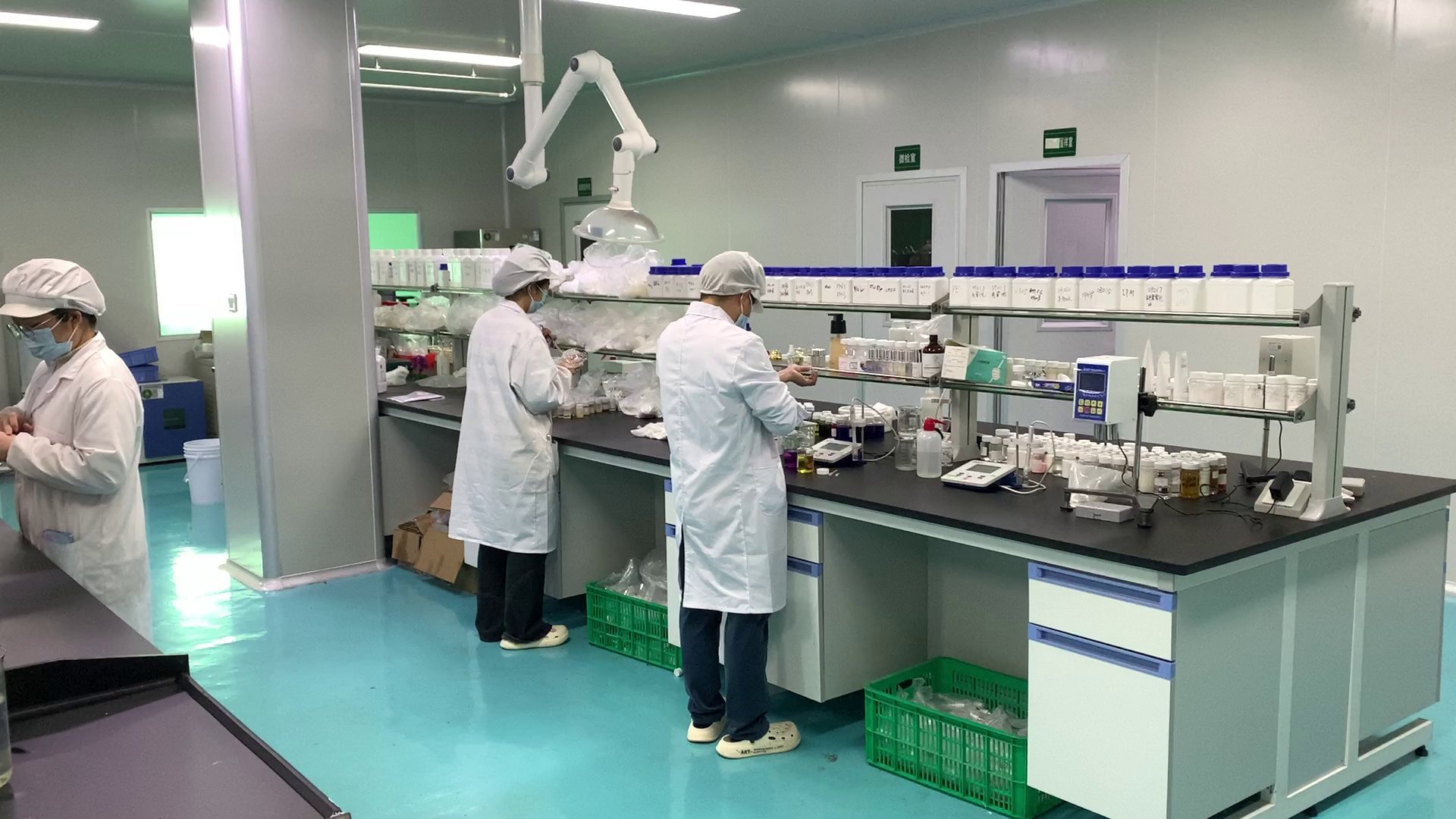
Preserve the connection from raw materials to finished batches
Trace each finished batch to raw material lots, the formula version and important processing records. Choose testing and retained samples around the actual risks. Herbal positioning does not weaken the need for microbial control.
Use FDA’s information on microbial safety as background, with project staff determining the appropriate assessment. Botanical origin alone is neither proof of safety nor proof that a product is unsafe.
An R&D colleague brought me two calendula extract sheets after purchasing found a cheaper source. The carrier composition differed. Before discussing the saving, we separately identified the original and replacement samples and explained the comparison to the client. The client kept the original source for the first order and assessed the alternative separately. A price negotiation did not quietly become an unapproved material change.
Keep a usable project confirmation record
| Check | Record |
|---|---|
| Identity | Actual specification, carrier and source |
| Range | Accepted appearance, odor and feel |
| Changes | Approval responsibility for replacements |
| Traceability | Raw material lots connected to finished batches |
FAQ
Is every color change in a herbal product normal?
No. Compare it with the agreed range and investigate materials, processing or storage as appropriate. “Natural” is not an investigation result.
Is a more expensive raw material necessarily better?
Assess whether it meets this product’s specification and target. Price does not establish suitability or supply consistency.
Move the project forward
Read about natural preservative systems and changes during production scale-up when defining controls.
Bring the product brief to Jogong Labs OEM/ODM services. You can learn about the company and team through Tyler’s background.
 WhatsApp
 WeChat
Related reading
Tell us what you want to make.
Get a quote, request samples or book a short call — all in one form. Tell us your product idea, target market and estimated quantity.
Confidential by default · NDA available on request · Reply within one business day